Community
Advocates, staff, and organizers highlighting how circular organics benefit neighborhoods and ecosystems.
Explore the community path
Hudson Valley Biogas (HVB) turns regional organic waste and ecological maintenance into local energy, soil value, and community benefits by coordinating partners to ship grant-ready pilots that can scale.
We lead with outcomes and constraints (not equipment marketing): siting, permitting, feedstock contracts, community trust, and the funding path to build.
Pick the archetype that best reflects your work so you can follow a curated guide, trust the handoffs, and stay focused on outcomes.
Advocates, staff, and organizers highlighting how circular organics benefit neighborhoods and ecosystems.
Explore the community pathTown and county teams building pilots, permitting plans, and procurement timelines.
Follow the municipal pathManufacturers, generators, haulers, and operators keeping feedstocks, logistics, and reuse moving.
Open the business pathPhilanthropy, CDFIs, and investors looking for proof points, pipeline metrics, and field-ready funding asks.
Review the funder pathReporters and storytellers needing crisp context, visuals, and access to the HVB narrative.
Visit the press roomAfter you pick the audience you identify with, these partner lanes deliver the craft, metrics, and coordination that keep momentum steady.
Municipalities, coalitions, and agencies who steward outreach, permitting, and funding pathways for new organics systems.
HVB supplies the coalition OS: weekly cadence, decision-ready deliverables, and the grant-ready package so you can convene without second-guessing.
Facilities, WWTPs, transfer stations, and landfills that need a concrete concept to test circular organics infrastructure.
HVB delivers the site narrative, technical framing, and community story so the pilot leaves your desk ready for funding.
Funders, developers, and suppliers who keep feedstocks, equipment, and capital flowing into new circular programs.
HVB curates the proof points, pipeline metrics, and resource-ready materials that make every ask feel institutional.
Each system includes a community narrative, operational learnings, and a grant-ready artifacts bundle to speed decision-making.
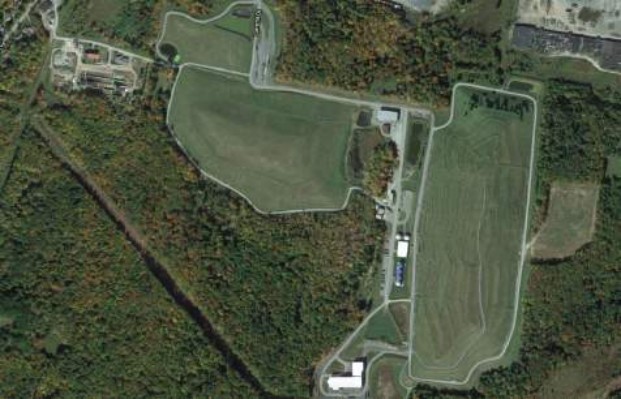
‘Gateway’ transfer concept with waste, compost, and resource-recovery neighbors.
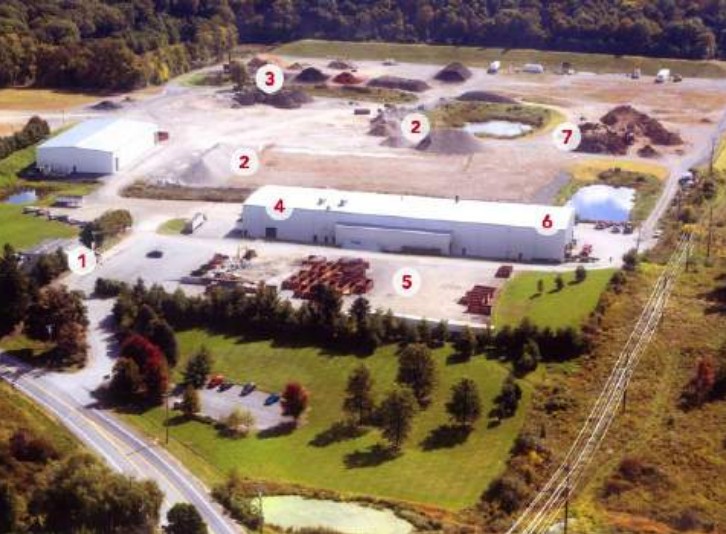
Large feedstock clusters paired with WWTPs for community-scale gas-to-grid pilots.
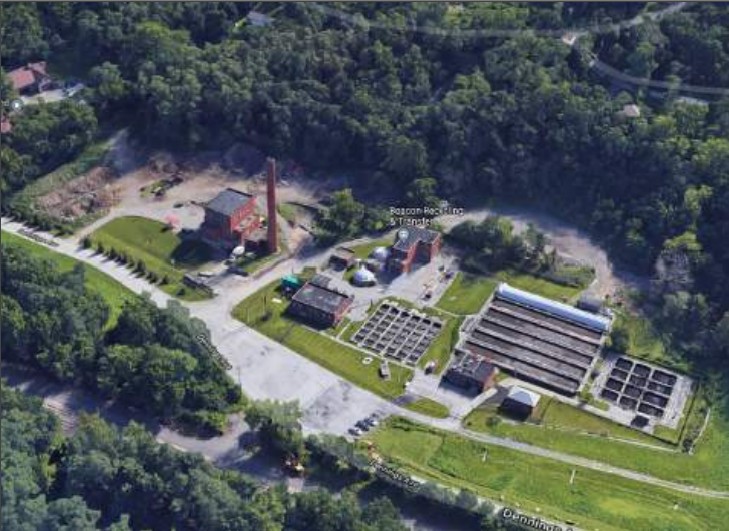
Transfer and recycling campus adjacent to riverine logistics, ready for anaerobic upgrades.
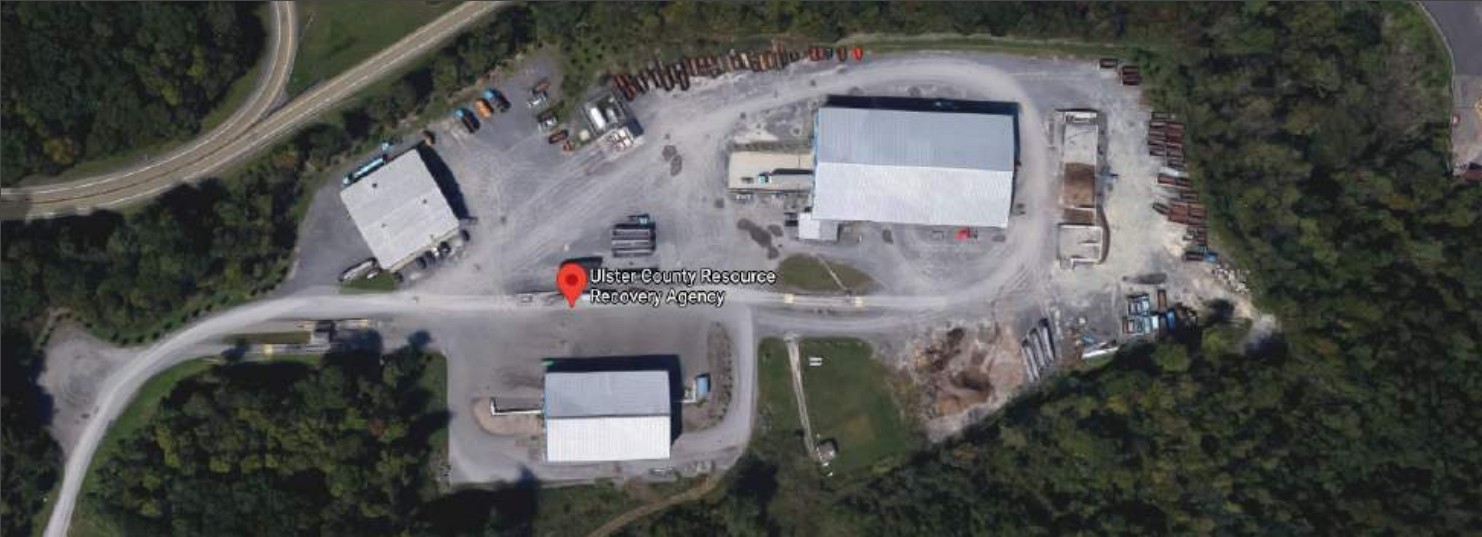
Regional partnership with compost, landfill, and waterside landscape insights.
HVB coordinates a minimum viable coalition so municipalities, advocates, and developers can move faster—with less risk and more trust.
A fixed-scope sprint that produces a fundable pilot concept: site + feedstock fit, concept narrative, coalition plan, letters pipeline, and community-facing FAQ.
Conveners, municipal sponsors, developers/engineers, feedstock anchors, and grant leads each have a defined job to keep momentum.
We publish artifacts: pilot one-pagers, benefits maps, FAQs, and a pipeline dashboard—so trust can compound and replication becomes realistic.
Hudson Valley Biogas responds to policy pressure, climate targets, justice expectations, and the ecological work that keeps these landscapes healthy.
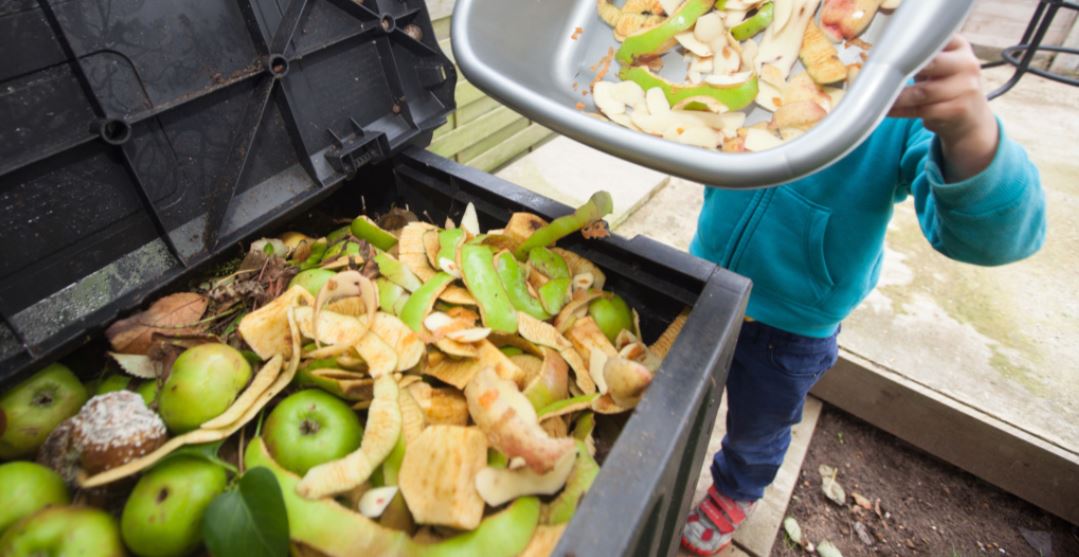
New state rules ask municipalities and businesses to reroute edible organics from landfills; HVB makes it practical to meet the requirement with circular pilots.
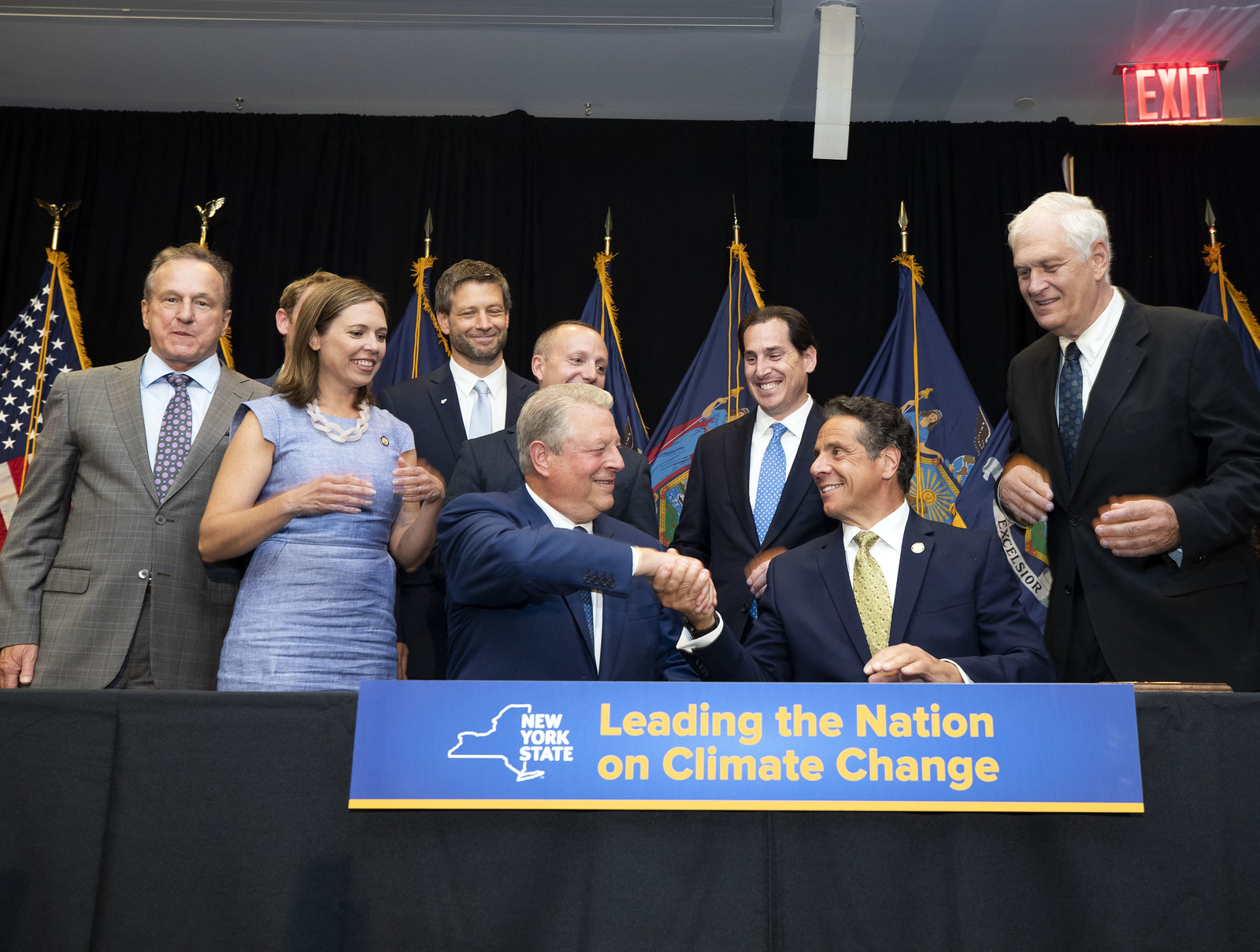
The CLCPA sets aggressive emissions and energy goals; HVB designs infrastructure that turns organic wastes into renewable fuel and local power.
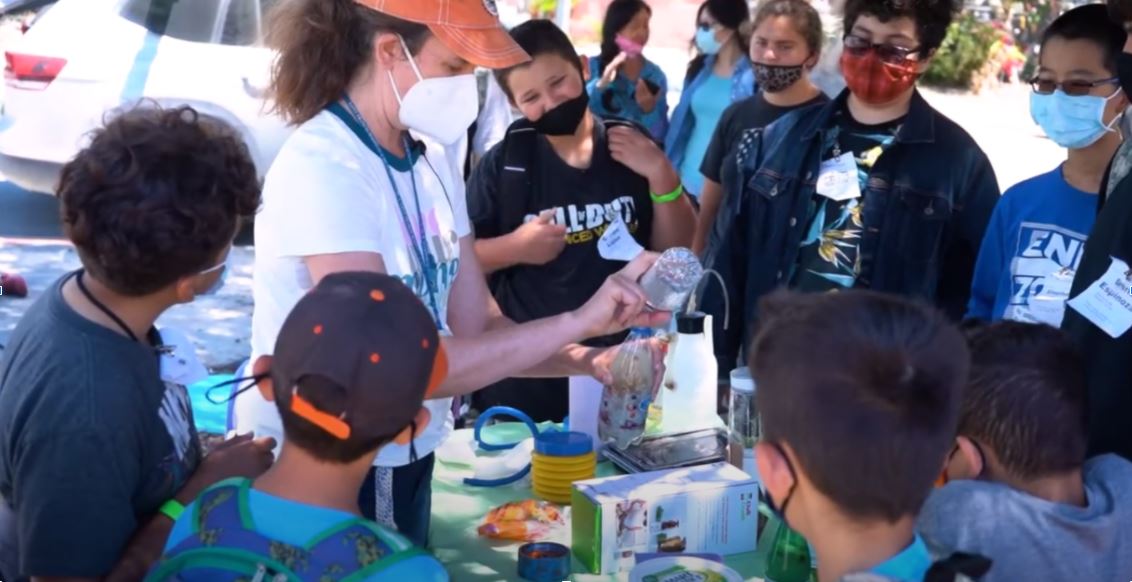
EJ concerns now guide siting and piloting; HVB builds transparency, engagement, and accountability into every proposal.
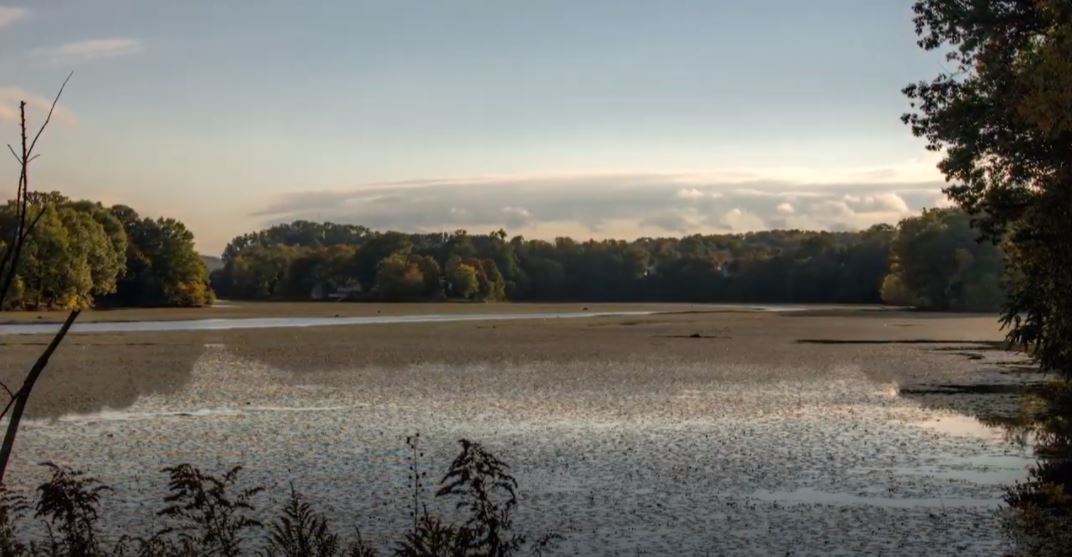
Managing invasive biomass and maintenance waste is costly; HVB turns those streams into pilot-worthy energy and soil value.
We’re assembling partners inside active policy frames and heavy organic residuals so pilots launch with credibility.
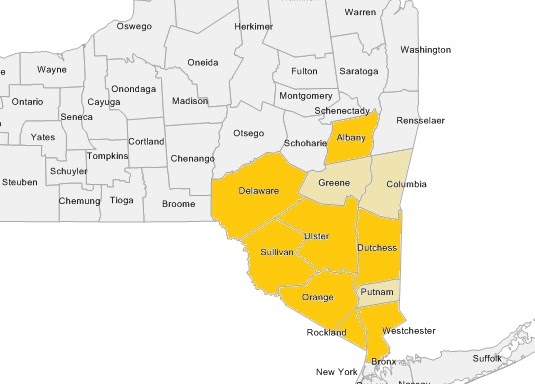
Past assessment layers show where organics volumes exist, where treatment sites are clustered, and where transport corridors already converge—so partnerships can start with confidence.
HVB is designed to run without founder burnout: partners execute, HVB orchestrates, and every cycle produces reusable assets.
Pick one pilot geography and buyer profile for the next cycle. Publish the “why here, why now.”
Run the Grant-Ready Project Package sprint with templates, roles, and a tight timeline.
Recruit the minimum viable coalition: convener, municipal sponsor, developer/engineer, feedstock anchor, grant lead.
Publish pilot artifacts (one-pager + FAQ + benefits map) and keep a visible pipeline to earn trust.
Turn wins and lessons into a playbook and scorecard to select the next site quickly and honestly.
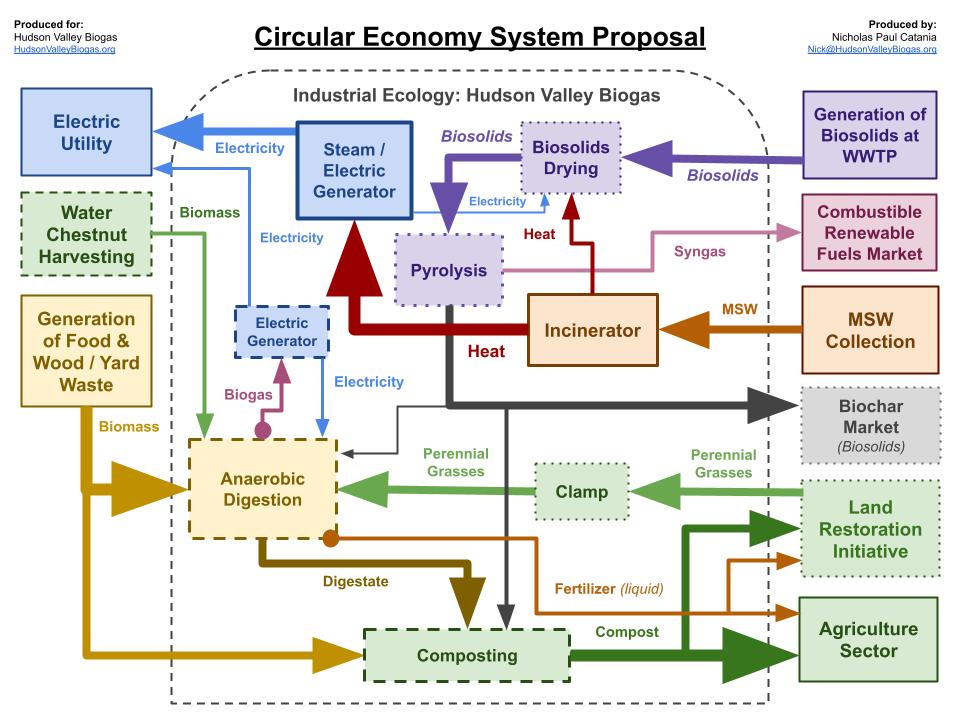
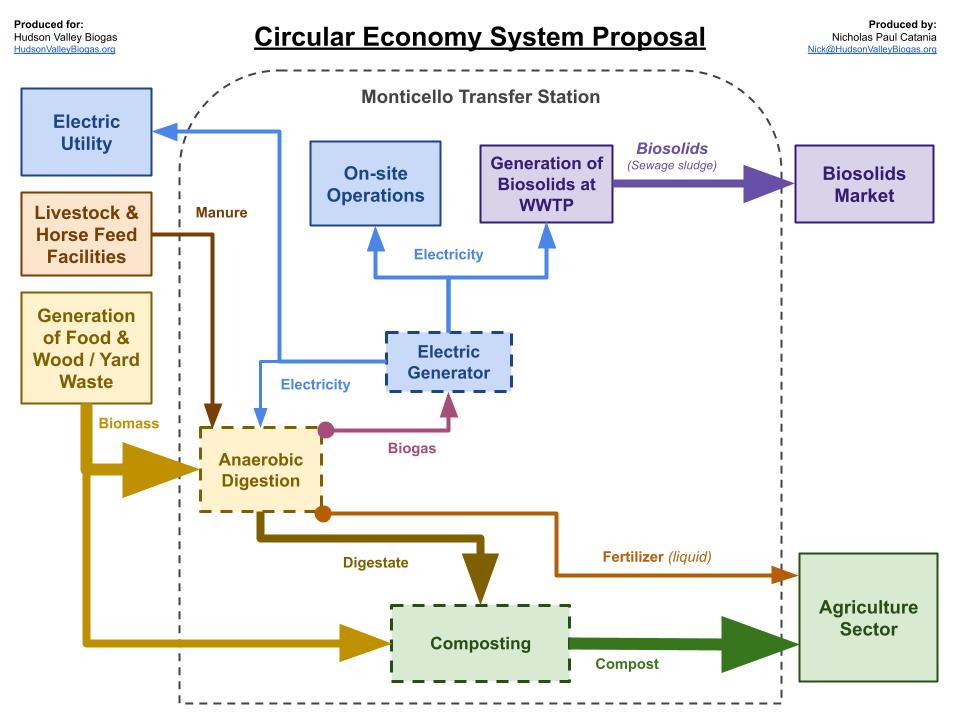
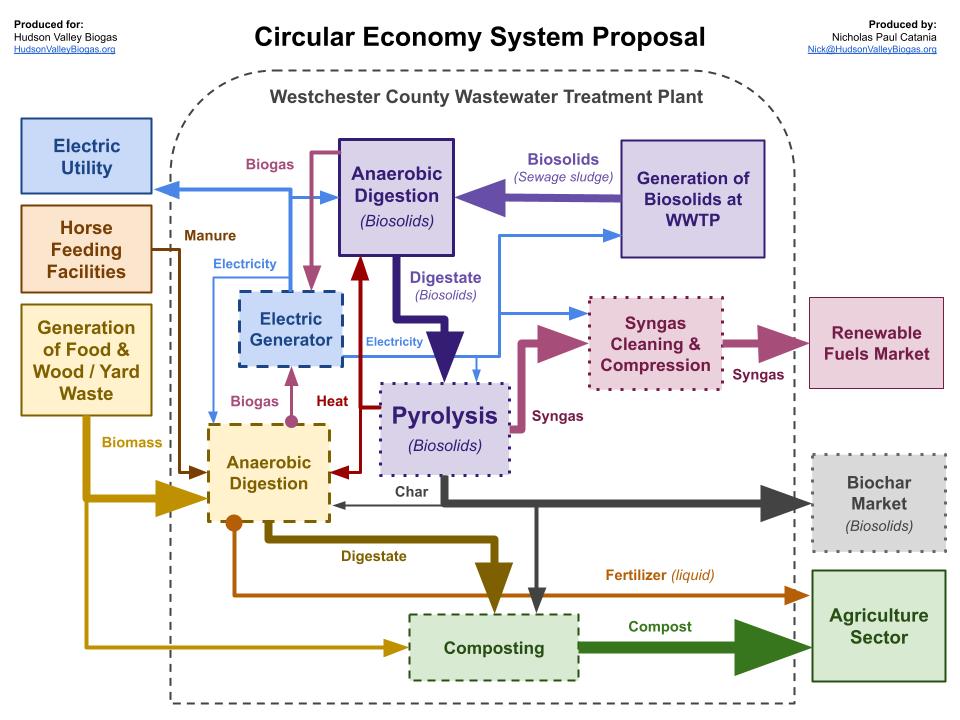
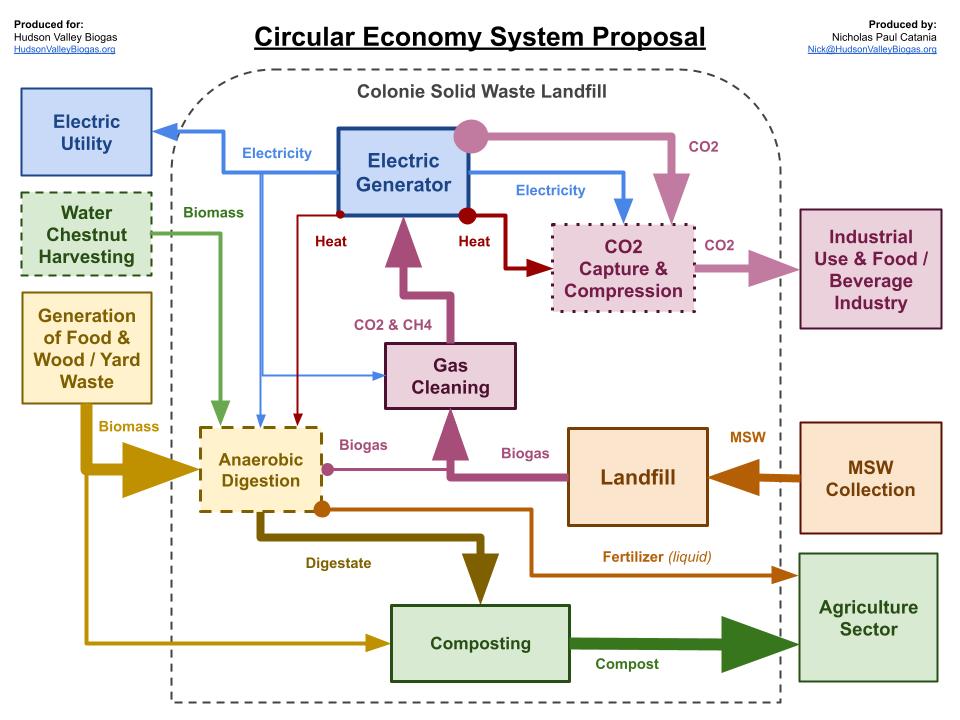
Our circular-systems diagrams turn “big ideas” into grounded site concepts you can discuss with real stakeholders.
Two foundation publications + a pilot grant case study. Use these as reusable modules when building the next proposal.
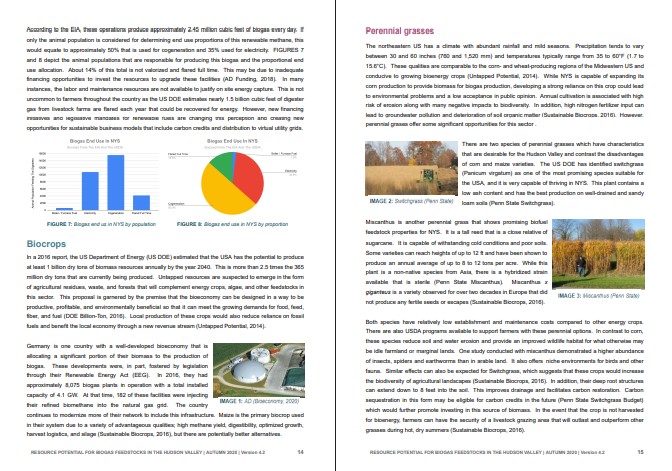
Regional resource potential and system context for organics-to-value solutions.
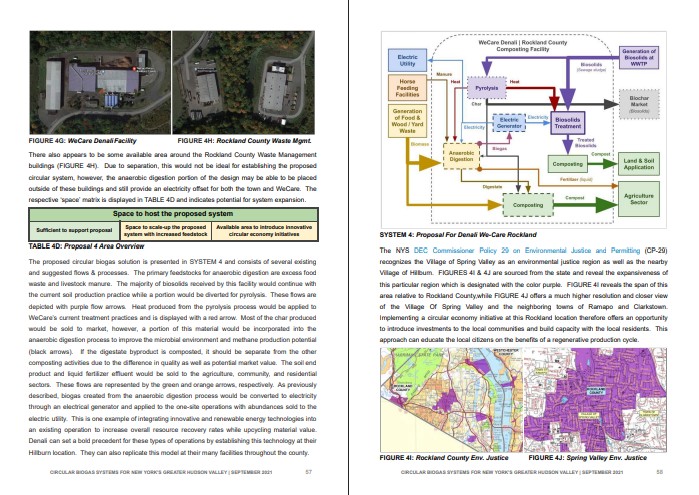
Ten siting concepts + coverage strategy for the Hudson Valley.
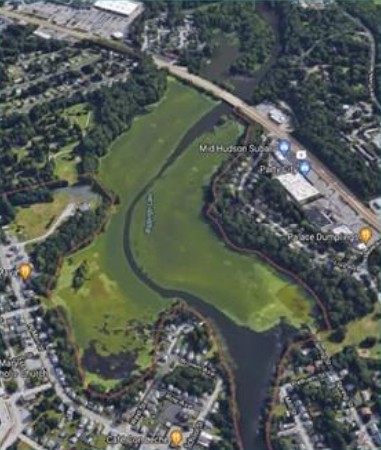
A coalition-built pilot attempt: valuable as a template, even though it wasn't awarded.
We recruit by lane, not by vibes. If you can convene, sponsor, build, supply, or fund—there’s a role for you.
Pick your lane and get the Partner Kit + pledge. We’ll route you into the right working group.
Conferences, town briefings, circular economy nights, and workshops. We bring systems clarity + pragmatic next steps.
Get starter kit access (whitepapers, pilot templates, and updates) without a full mailing list.
We publish assumptions, sources, and system boundaries. Claims are tied to primary references.