Planning work needed
Planning work needed to unlock these datasets → Recommendations & next steps
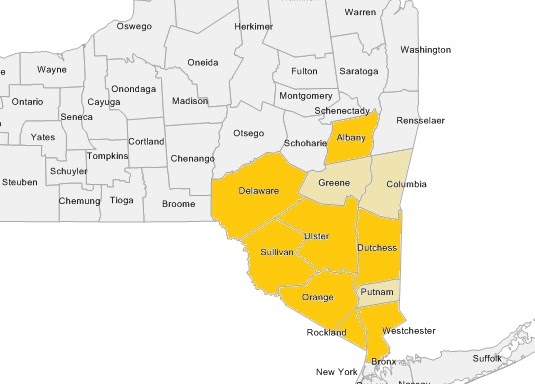
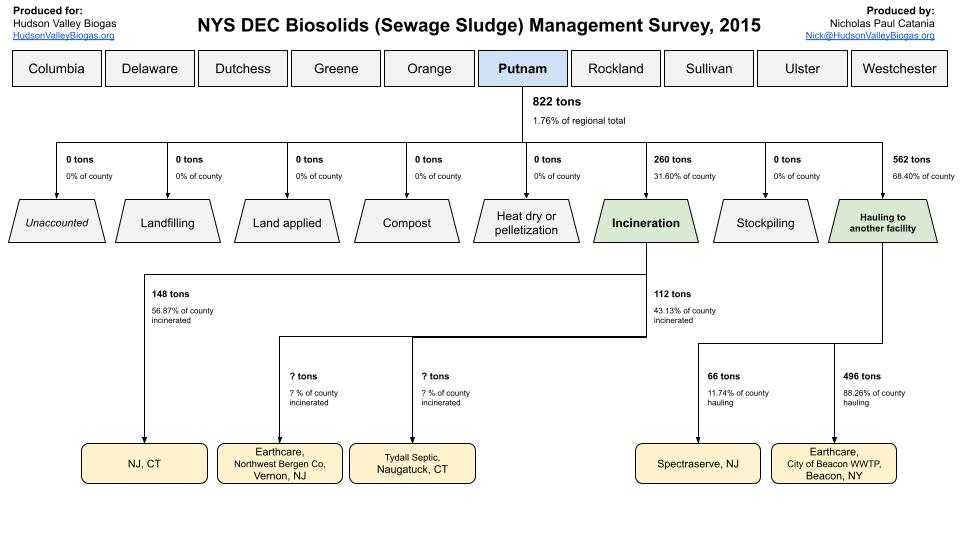
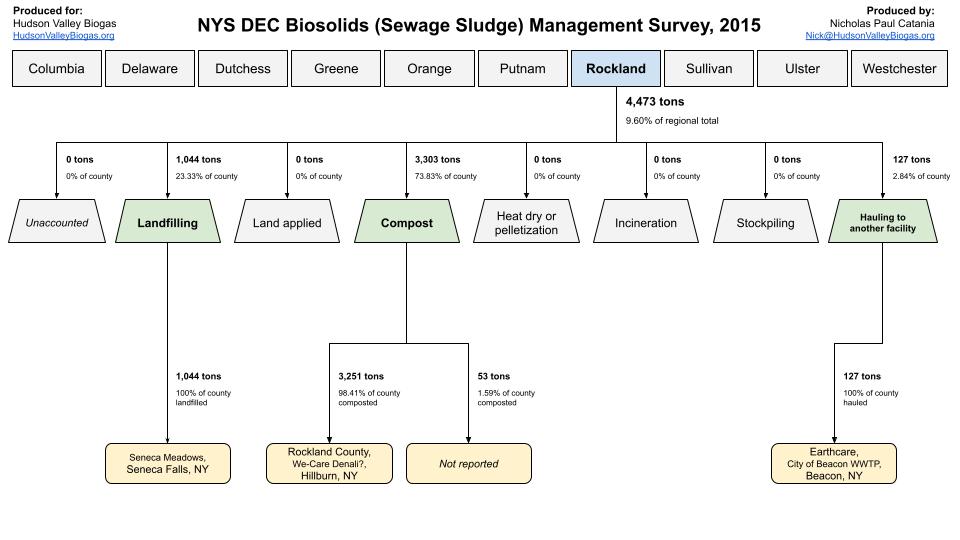
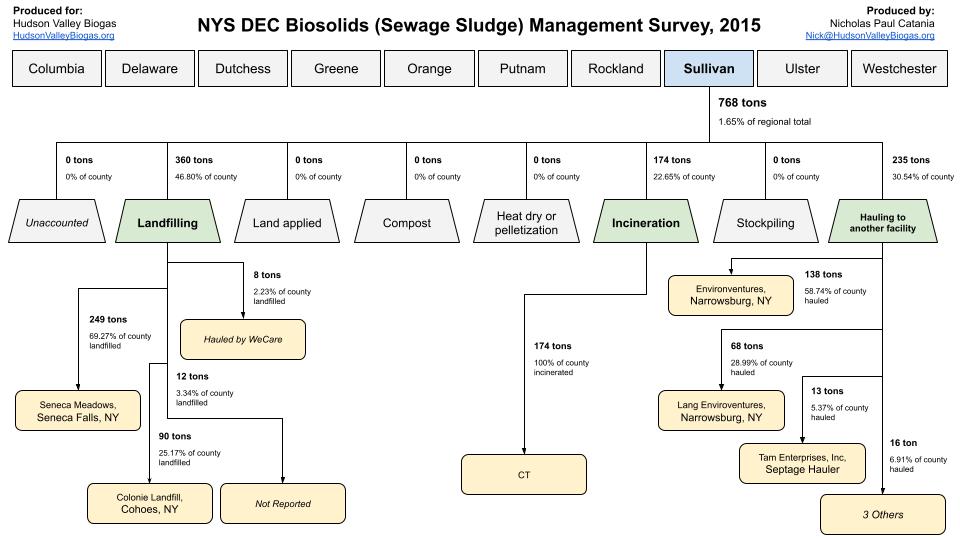
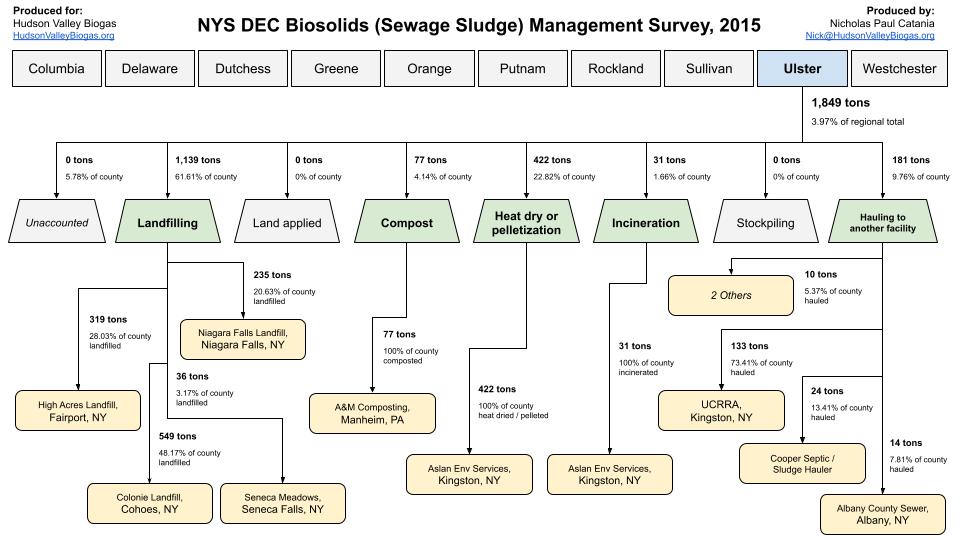
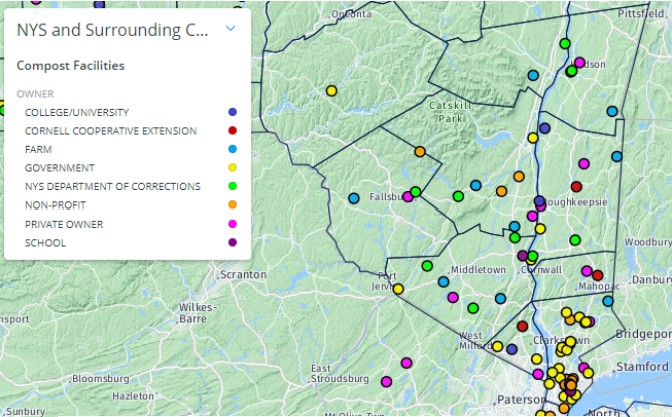
Regional context map courtesy of the previous assessment – pair these overlays with the biosolids snapshots below to see how counties stack up.
So what do we do with this-
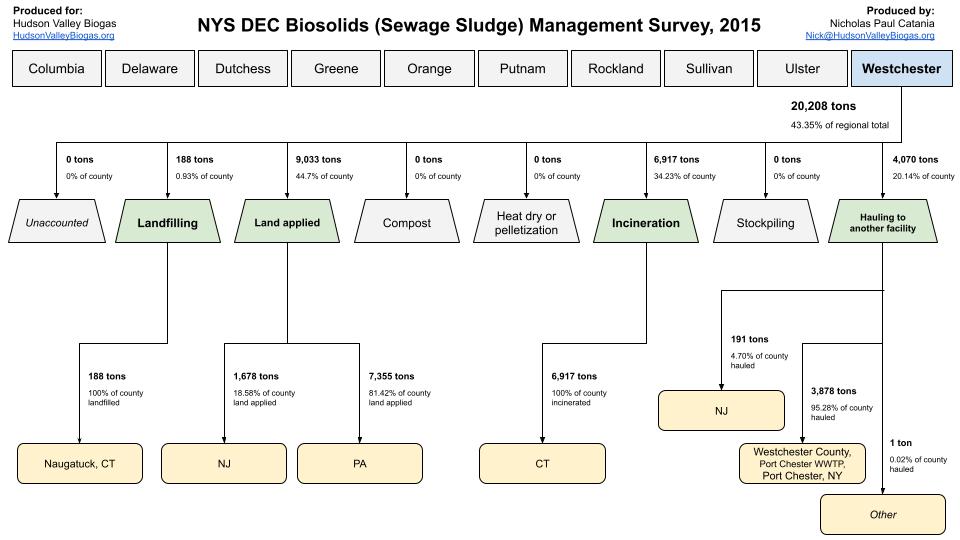
- Use the biosolids flow snapshots to inform routing decisions so that cost + emissions are visible before partners commit.
- Translate the regional map + EJ references into siting moves that avoid compounding burdens and meet permitting guardrails.
- Lean on the community/EJ narratives so stakeholder conversations can be concrete instead of abstract.
- Package the quantified flows and equity frame straight into the grant narrative, showing funders exactly how the pilot delivers.
Decision-grade (not perfect)
We prefer data that improves choices quickly over data that’s “complete” but unusable.
- Directional volumes & flows
- Constraints & bottlenecks
- Credible sources & citations
Local reality
County-by-county views matter because infrastructure is local: routing, siting, and politics.
- County snapshots
- Regional flow logic
- Site archetypes
Legitimacy and EJ
EJ is a design constraint. Data supports better questions, earlier, with the community.
- Burden/benefit framing
- Permitting awareness
- Stakeholder trust
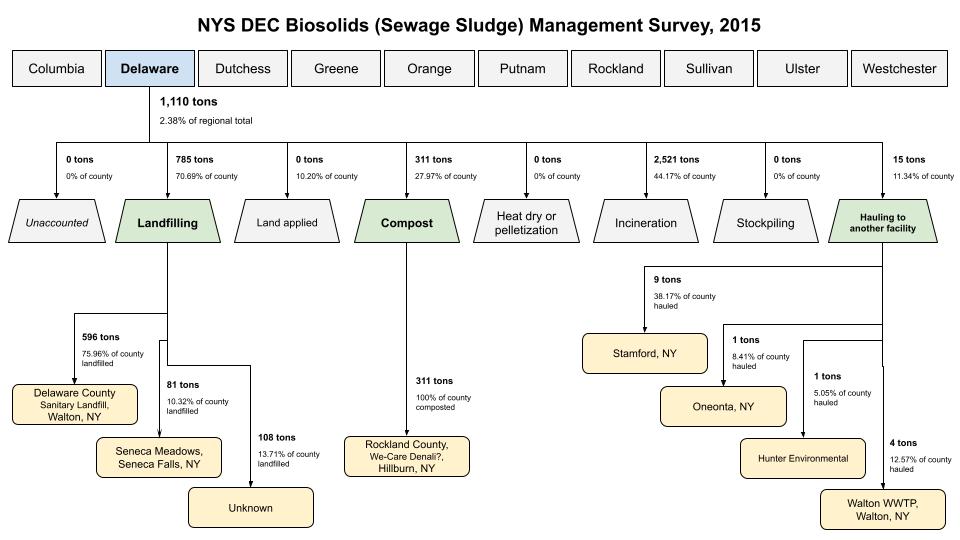
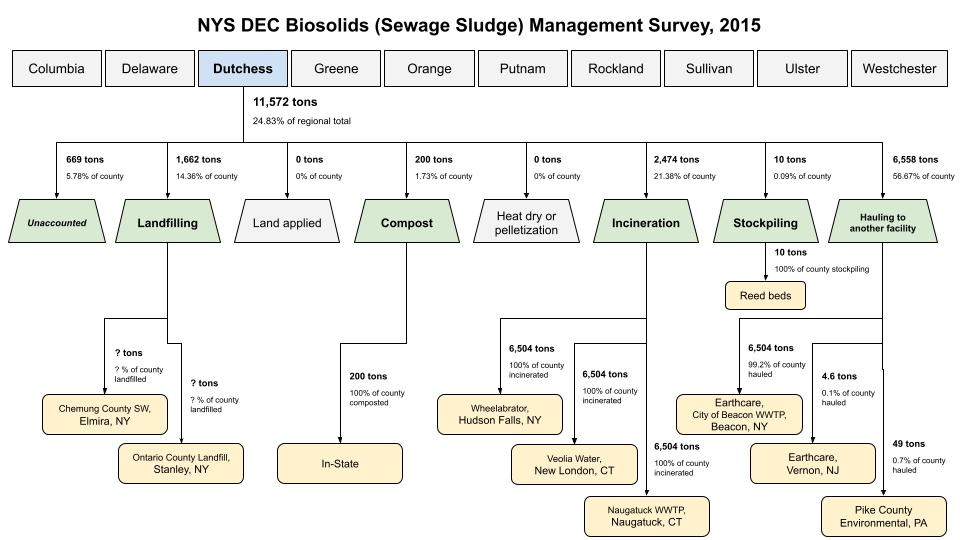
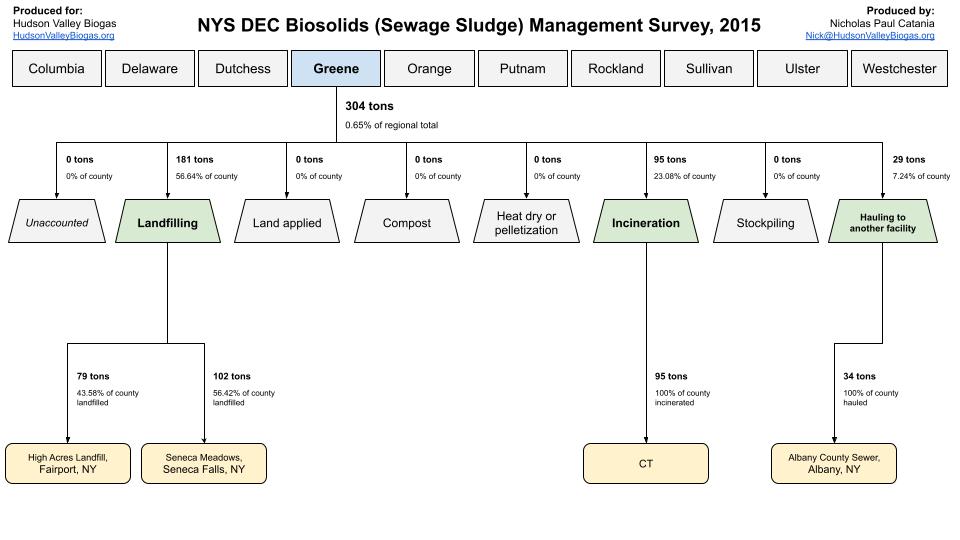
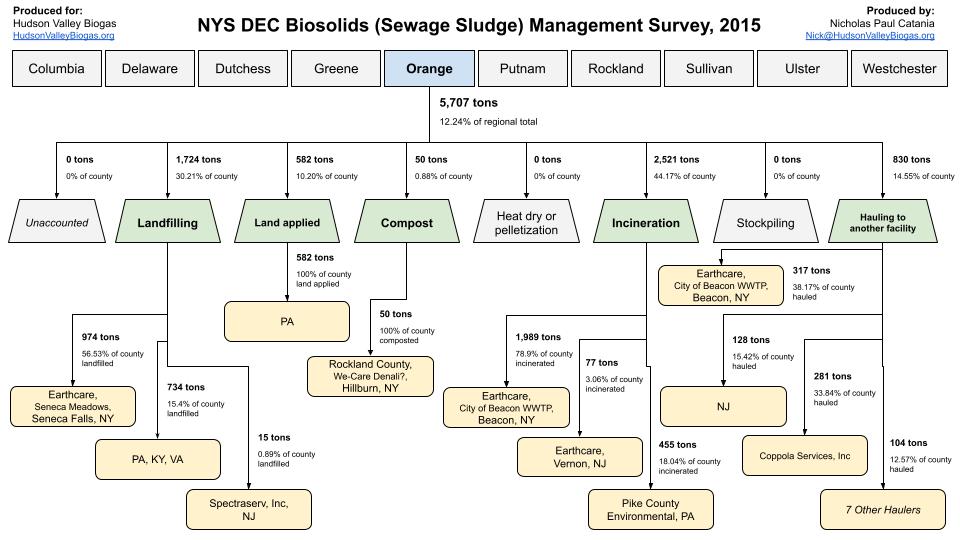
County biosolids flow snapshots
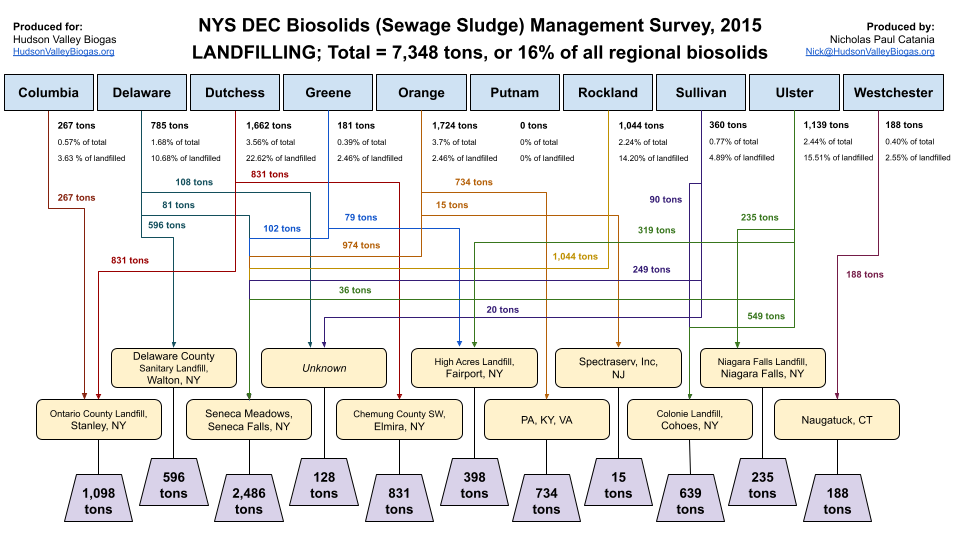
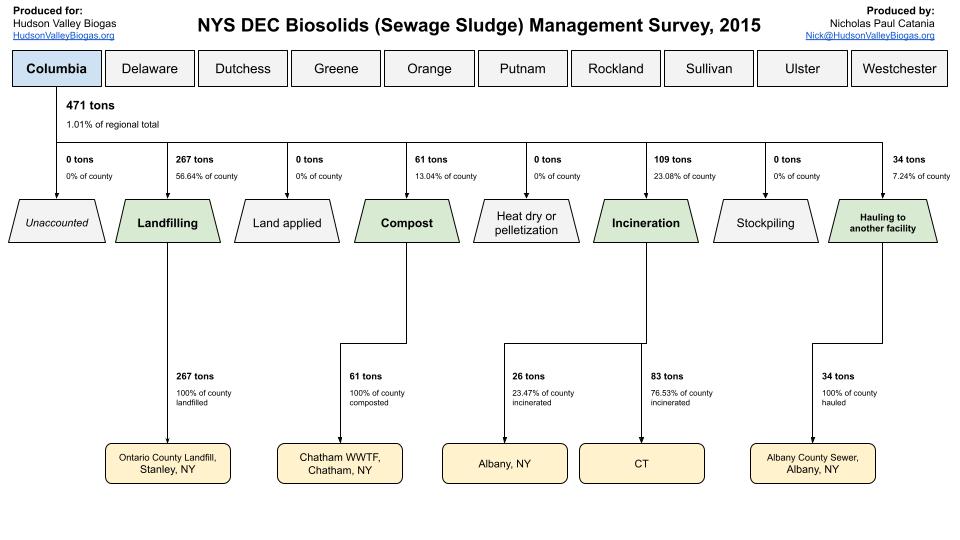
Quick reference images from reports/county-biosolid-flows. Use these in workshops and project packaging.
County briefs (interpretation)
Tap the "Read brief" button to open the accompanying interpretation before reviewing the snapshots. The existing Open/View controls remain for the images.
Landfilled (All)
Dutchess
Ulster
Westchester
Rockland
Orange
Putnam
Columbia
Greene
Sullivan
Delaware
Turn removal into reuse
The Feedstocks report introduces anaerobic digestion as a pathway for handling invasive aquatic and wetland plants. The new brief shows how harvested biomass can be staged, permitted, and blended for digestion.
- Spotlights water chestnut, hydrilla, and phragmites as digestible biomass once removed from regulated waters.
- Highlights permitting triggers and data gaps so pilots can plan logistics without spreading fragments.
- Lists HVB next steps that connect harvest volumes, contamination risk, and digestate reuse to real pilots.
Composting infrastructure (CWMI)
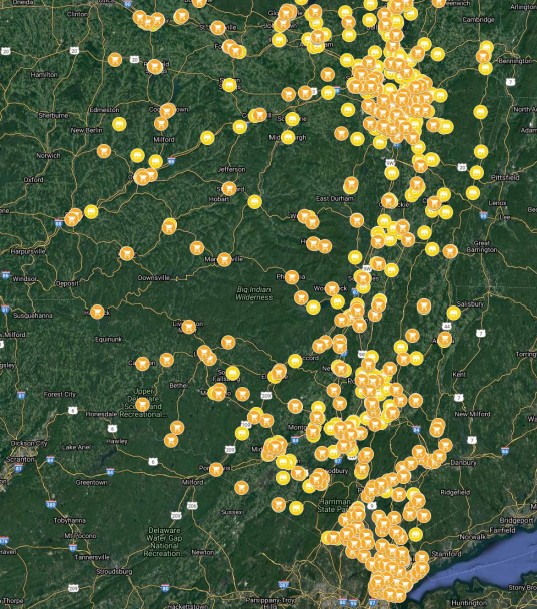
The Cornell Waste Management Institute map catalogs compost, digestion, and permitted organics sites across New York State; use it as a strategic baseline while packaging circular feedstock plans.
Why this map matters
Cornell Waste Management Institute keeps the inventory fresh with permit notes, service-area context, and prioritized updates so you can trust its baseline signal.
- Identifies compost, anaerobic digestion, and permitted organics processors statewide with operator, permit, and contact metadata.
- Interactive filters spotlight compost type, shipment direction, and permit status so you can focus on the asset class your pilot needs.
- Submit updates to capture new projects, capacity shifts, or service-area clarifications that affect haul planning.
Environmental justice map references
Reference PDFs in reports/environmental-justics-map. These inform early siting and stakeholder conversations.
What we use EJ references for
- Identify communities that have historically carried disproportionate burdens
- Design benefits and mitigations early (not as a checkbox)
- Anticipate permitting and public meeting dynamics
- Decide whether a site is appropriate at all
Quick links (PDF)
Design note
If a pilot is in or near an EJ community, the proposal should explicitly define community benefits, engagement steps, and a “no surprises” approach to siting decisions.
FAQ
Skeptical questions are healthy. Here are ours.
Is this the “latest” data-
Some snapshots are historical (e.g., 2015 images). HVB treats them as directional and pairs them with current stakeholder input during pilot packaging.
Can these images be reused in presentations-
Yes—these are here to be used in workshops and grant packaging. When possible, cite HVB and the source report.
Where are the raw spreadsheets-
As the initiative matures, we can publish structured datasets. For now, HVB prioritizes decision-grade artifacts that accelerate pilots.
Use the data to move a pilot
The goal isn’t to admire the map. It’s to design a project that’s feasible, fundable, and legitimate.