First time here

Proposals
10 Hudson Valley Proposals
Ten circular archetypes, each paired with site-specific imagery and a data-rich reference so every proposal stays grounded in local reality.
10 premium archetypes, each backed by mirrored hero photos, hero narratives, and policy-ready context.
Curated paths
Two ways into the 10 proposals.
Pick the path that matches where you're starting. The full archetype gallery is below if you'd rather browse every diagram.
Site sponsor
I have a site — what next?
Methodology: site selection & design
We layer feedstock sources, infrastructure, and EJ overlays before the first pilot is scoped so every diagram reflects a real system boundary.
Learn how mapping, matrices, and the 25-50 mile rule shape the systems we highlight.
Site system diagrams
10 premium archetypes, each backed by the mirrored hero imagery in the systems media manifest.
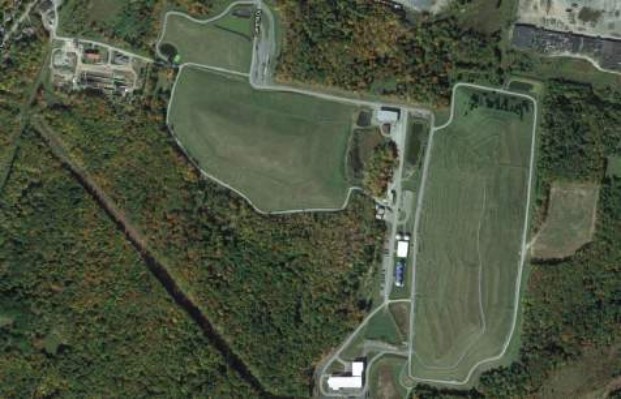
Monticello Transfer Station
Sullivan County transfer hub bridging landfill feedstock to anaerobic digestion pilots.
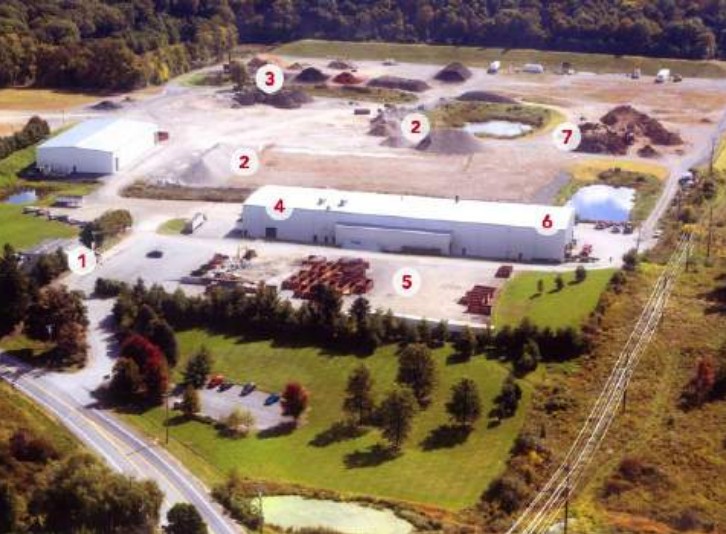
Taylor-Montgomery
Orange County farm, WWTP, and industrial nexus that models circular feedstock coordination.
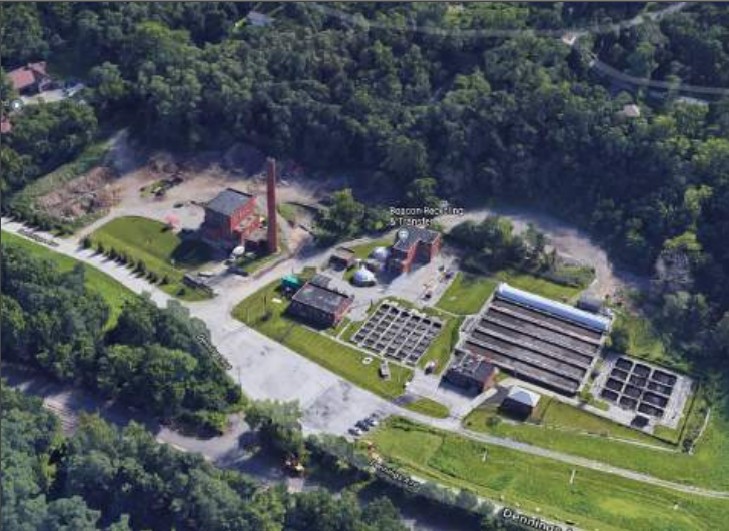
Beacon Recycling & Transfer
Hudson River corridor facility mapping recycling, transfer, and organics flows.
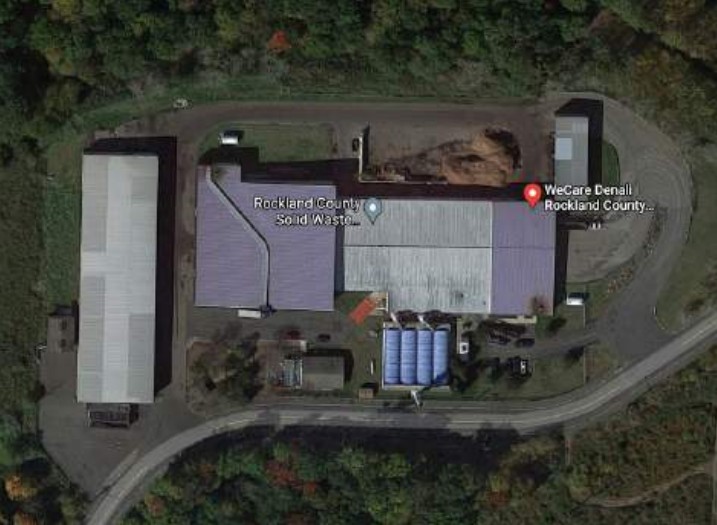
WeCare Denali Rockland County Composting
Rockland County compost campus where industrial diversion blends with anaerobic outputs.
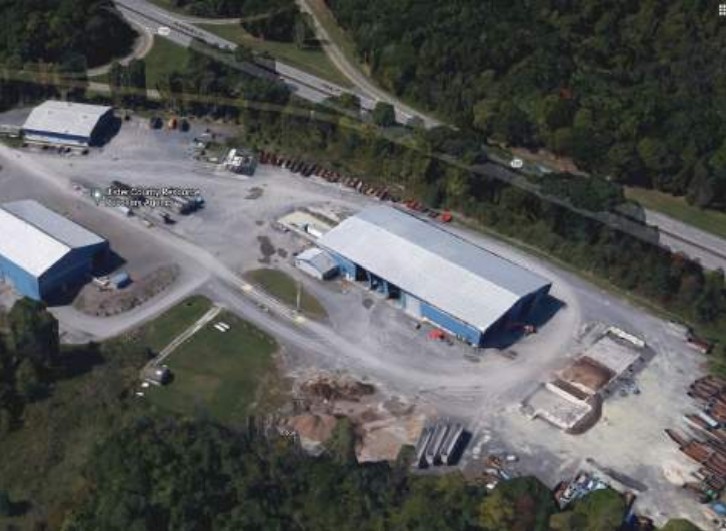
Ulster County Resource Recovery Agency
Ulster County partnership linking compost, landfill, and riverside logistics.
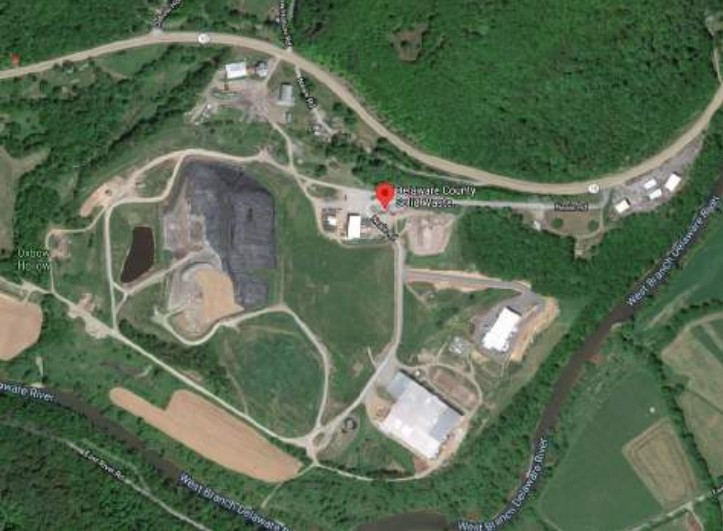
Delaware County Solid Waste Management Center
Delaware County landfill and sorting yard tracing community-focused feedstock planning.
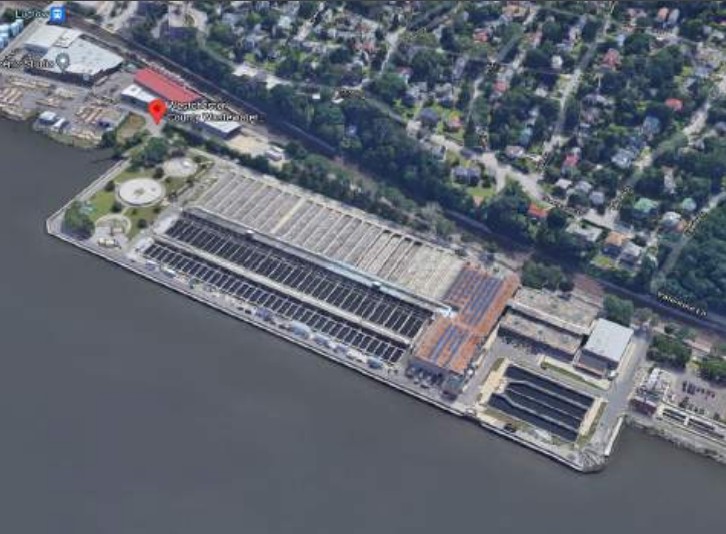
Westchester County WWTP
Westchester wastewater treatment plant showing the energy loop between treatment and biogas.
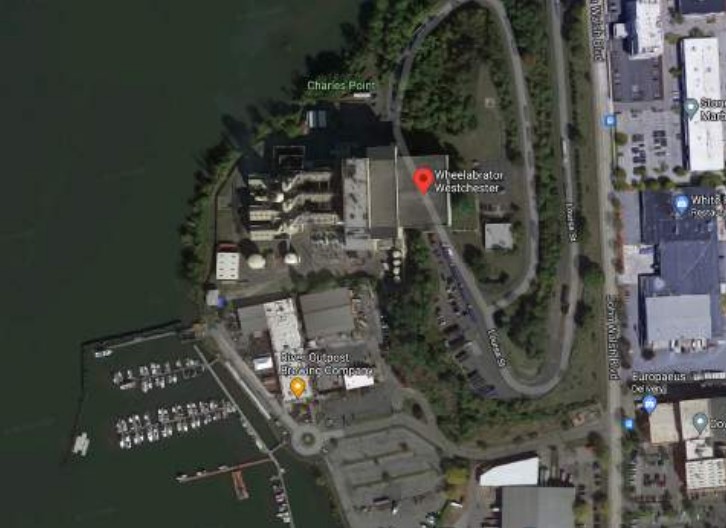
Wheelabrator Westchester
Waste-to-energy plant routing landfill diversion toward regional grid resilience.
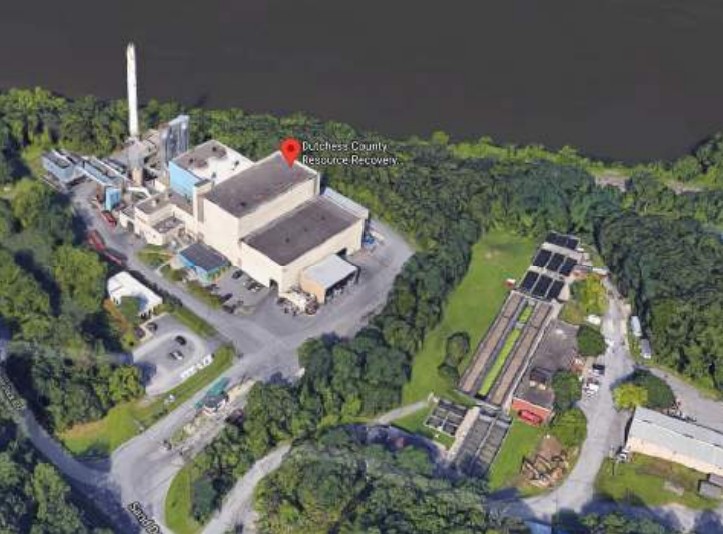
Dutchess County Resource & Recovery
Dutchess County campus combining compost, soil, and energy conversion lessons.
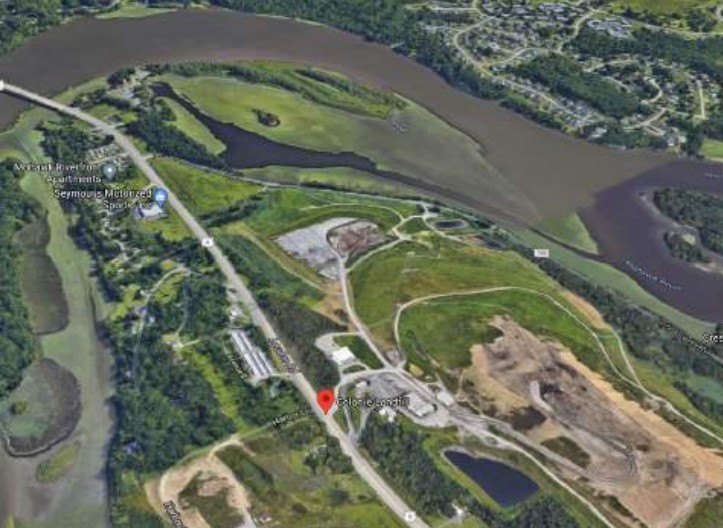
Colonie Solid Waste Landfill
Capital Region landfill plus adjacent WWTP and compost zones ready for circular pilots.
How to use these diagrams
Each diagram is a conversation tool. The goal is not “perfect engineering,” it’s shared reality: who supplies what, where it goes, who benefits, and what breaks first if assumptions are wrong.
Source images live in reports/circular-systems. This page links directly to those files so you can reuse them in workshops.
Sub-system archetypes
Smaller building blocks you can combine into a pilot narrative.
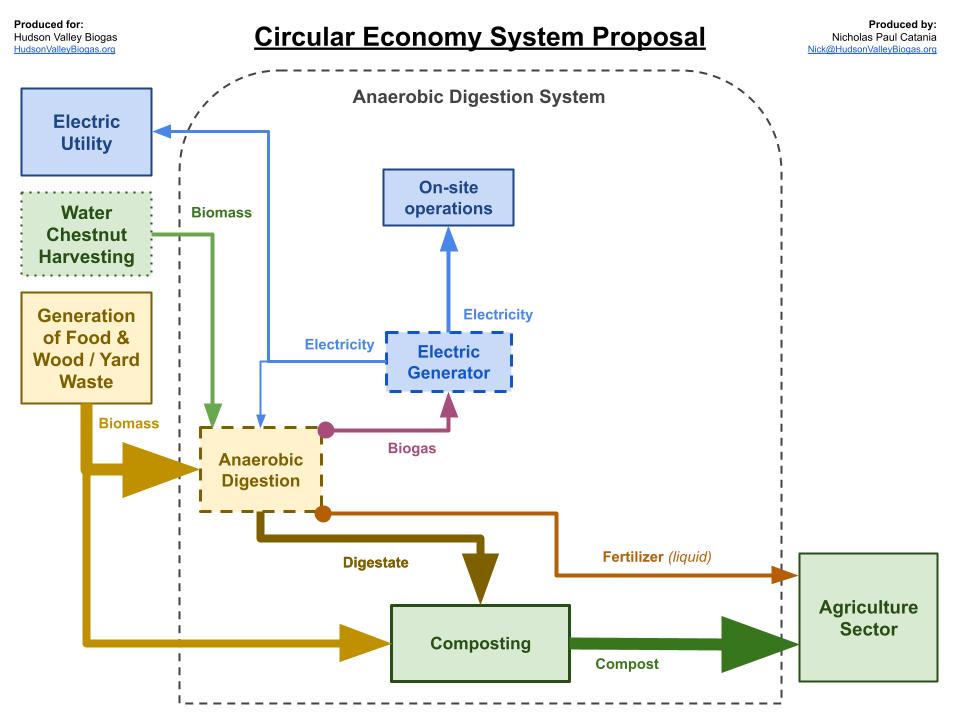
System A
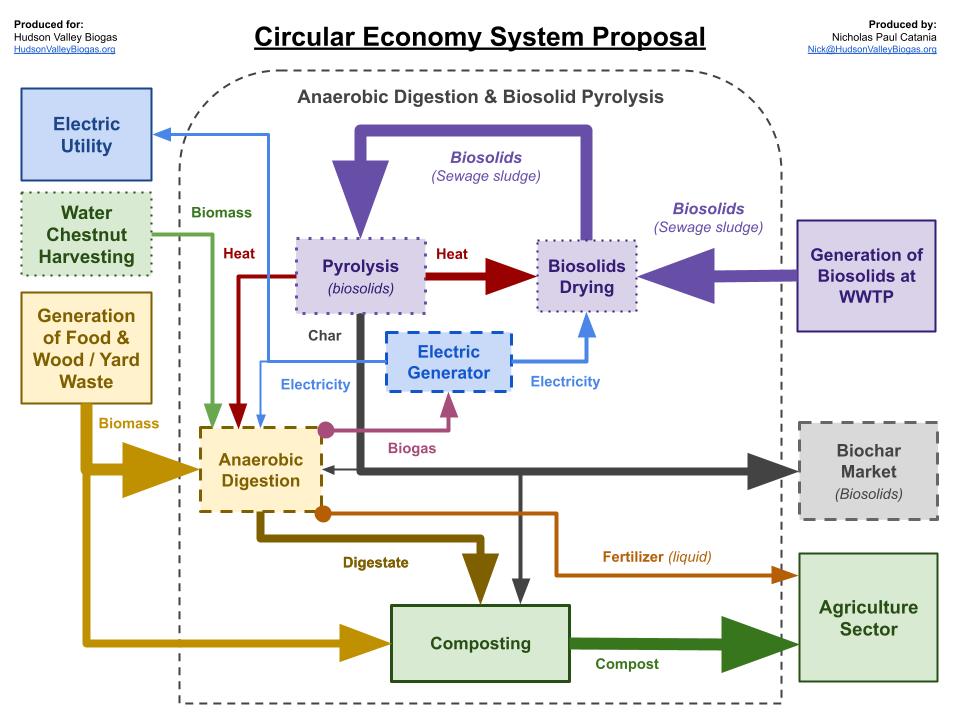
System B
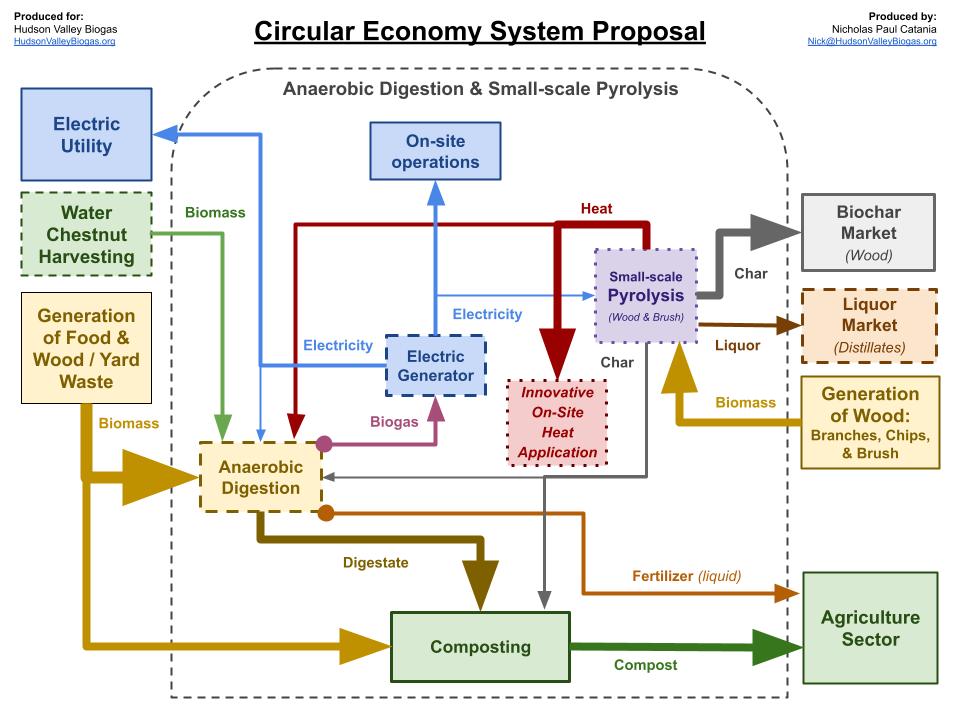
System C
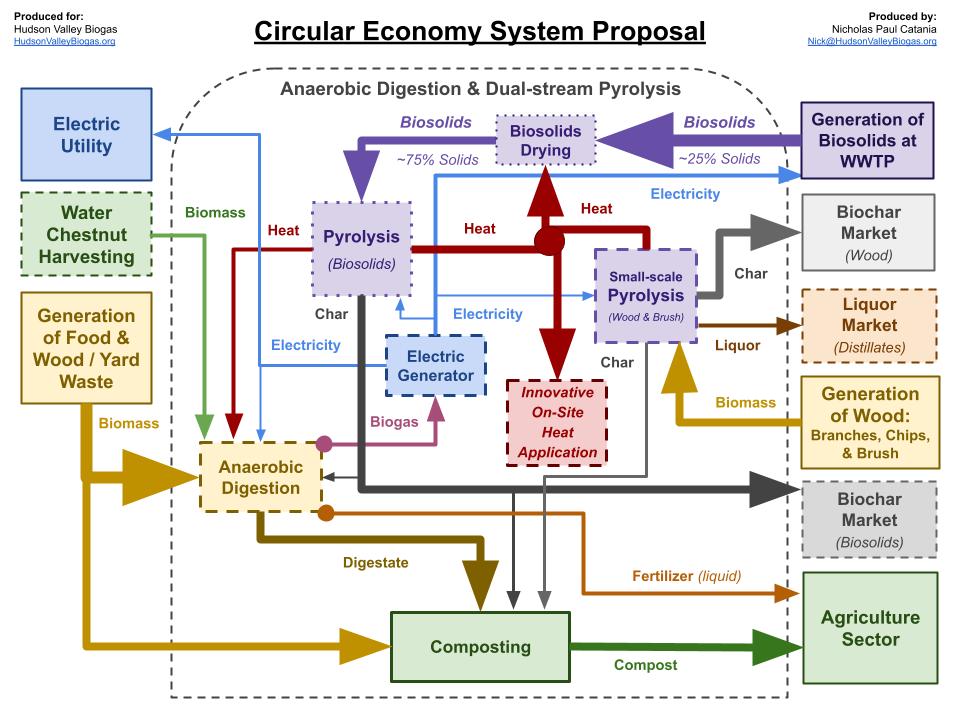
System D
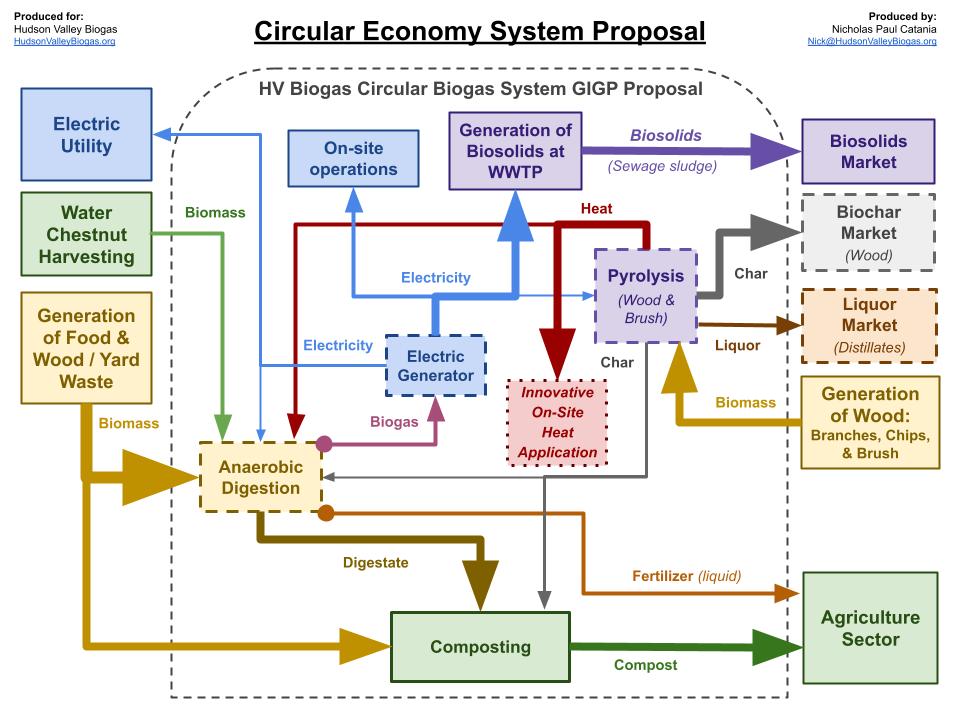
HVB GIGP System Proposal
Use these to recruit partners
A diagram becomes powerful when it assigns responsibility. Pair it with partner lanes and a pilot intake.
Have a site in mind?
If you can name a location and a stakeholder, you’re far enough along to start a pilot intake.
Evidence & policy context
- Data & maps hub - ground each archetype in the baseline data, flows, and county briefs before pitching it.
- Policy & funding hub - choose the right story (CLCPA, diversion, EJ) for this system.
- CLCPA brief - tie the archetype into the state's climate accountability framework.
- Food waste law brief - highlight the diversion/compliance rationale when organics are on the route.
Methods & transparency
We publish assumptions, sources, and system boundaries. Claims are tied to primary references.