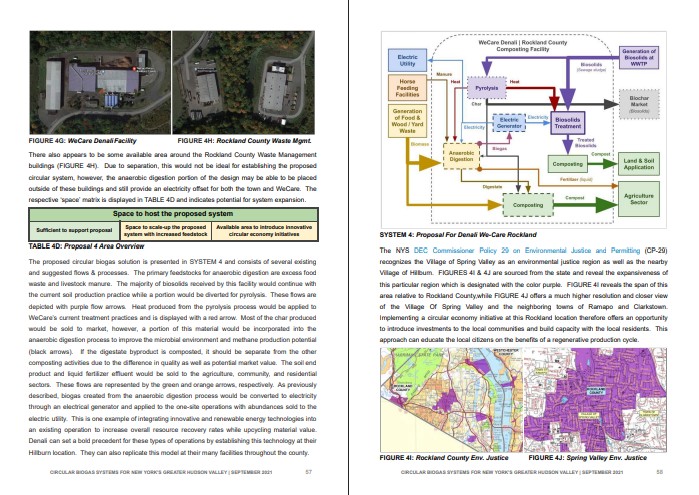
Newburgh waterfront looking down the Hudson River
Pilot projects

Turn “we should do something” into a pilot-ready plan

HVB pilots are the bridge between systems thinking and real infrastructure. We package pilots with partner lanes, stakeholder legitimacy, and grant-ready artifacts so developers and municipalities can move.

Pilot packages include opposing flows—systems diagrams, partner lanes, grant-ready narratives, and community-proof.

How pilots work

A pilot is a defined site + defined stakeholders + a fundable “next step.” HVB’s job is to standardize the packaging.

See the full operating model

1) Intake

Capture the minimum viable truth: site, feedstocks, constraints, and desired outcomes.

FastReality-based

2) Package

Build artifacts: one-pager, partner lanes, stakeholder map, and a credible funding pathway.

Grant-readyDeveloper-friendly

3) Handoff

Submit to a grant program and/or hand off to a delivery team with clarity and momentum.

ReplicableLow burnout

Pilot archetypes

These are starting points. Actual designs depend on feedstocks, siting constraints, EJ realities, and partner capacity.

Municipal organics hub

Archetype A

A municipality anchors collection and routing; partners align preprocessing + digestion + end products.

  • Municipal sponsor + grant eligibility
  • Food scraps / biosolids / yard waste routing
  • Digestate/biochar pathways for soil outcomes
WWTP circular upgrade

Archetype B

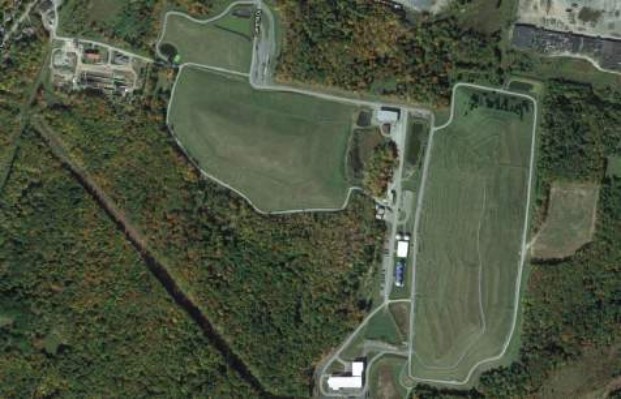
Wastewater treatment becomes a circular node (energy + soil products), reducing disposal costs and emissions.

  • Biosolids strategy + hauling cost reduction
  • Digestion upgrades and/or co-digestion
  • Permitting + EJ as early design constraints

Invasive aquatic feedstock loop

Archetype C

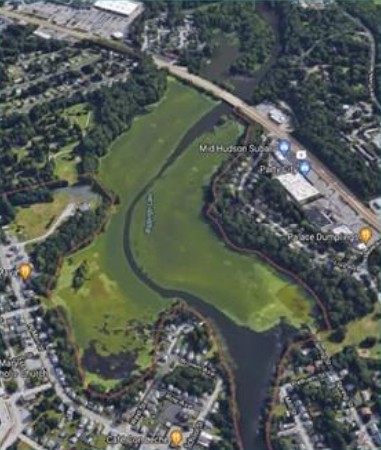
Pair lake/river management with circular processing so removal becomes a resource flow (when feasible).

  • Water chestnut / hydrilla / reed management
  • Preprocessing and contamination controls
  • Community narrative: restoration + circularity

Want more site examples-

The “Systems Library” includes circular system diagrams and site archetypes pulled from the reports: reports/circular-systems.

What makes a good pilot proposal-

These inputs are the difference between a feasible plan and a slow-motion failure.

Clear site control

A pilot needs a real location with a stakeholder who can open doors (municipality, operator, landowner).

SponsorAuthority

Feedstock truth

Volume, seasonality, and contamination profiles—plus who can commit (in writing, eventually).

VolumeQuality

Benefit stack

Energy + hauling cost + soil outcomes + environmental restoration—prioritized and defensible.

Local winsCredibility

Community legitimacy

EJ and siting concerns aren’t “later problems.” Address them early or pay later.

EJTrust

Delivery capacity

A credible developer/operator path is part of the package (even if it’s preliminary).

OperatorEngineer

Funding path

Grant eligibility and timelines + a plan for letters of support and local commitments.

Grant-readyMomentum

Pilot FAQ

Common questions from municipalities, advocates, and developers.

Is my site “good enough” to submit-

Submit anyway if you have a real location and a stakeholder who can engage. The intake helps us identify what’s missing and what lane(s) are needed.

Do you guarantee funding-

No. We improve the odds by producing a coherent package with partner lanes, credible constraints, and strong documentation—then aligning to grant cycles.

Who actually builds the project-

Typically municipalities, developers, and operators. HVB helps assemble the conditions for building: legitimacy, partners, feasibility framing, and fundable packaging.

Bring a site. We'll bring the system.

A pilot is how the movement becomes infrastructure. If you have a candidate location (even rough), start here: