
Food Waste Law & Organics Diversion
New state rules ask municipalities and businesses to reroute edible organics from landfills; HVB makes it practical to meet the requirement with circular pilots.
A practical map from "law on paper" to "organics diversion in the real world": who must comply, how municipalities can help, and what infrastructure pathways reduce methane and build local soil value.
What's changing
New York's Food Waste Law now demands municipalities, campuses, and large businesses keep edible organics out of landfills by routing them through compost or anaerobic digestion.
Why it matters here
The Hudson Valley's municipalities, farms, and partner operators sit directly on those organics streams and can turn diversion work into clean energy, soil value, and shorter hauling rounds.
How HVB responds
- Design pilot packages with municipal sponsors, haulers, and digestion operators so compliance feeds measurable systems.
- Map clean streams and contamination controls so operators can invoice confidently on clean organics.
- Pair diversion with soil and energy pilots so diverted tons deliver climate and community results instead of landfill bills.
Related links
What this policy is (in HVB terms)
New York’s food waste / organics diversion framework is meant to reduce the amount of food waste entering landfills. The “systems-thinking” opportunity is bigger than compliance: diversion creates predictable organics streams that can power composting, anaerobic digestion, and circular soil products—if collection and contamination are solved.
Who this affects
- Large generators (institutions, campuses, hospitals, large food businesses) typically sit at the center.
- Municipalities & counties matter because they influence collection, routing, and public procurement.
- Haulers & operators matter because they control contamination outcomes day-to-day.
Diversion pathways (from lowest to highest complexity)
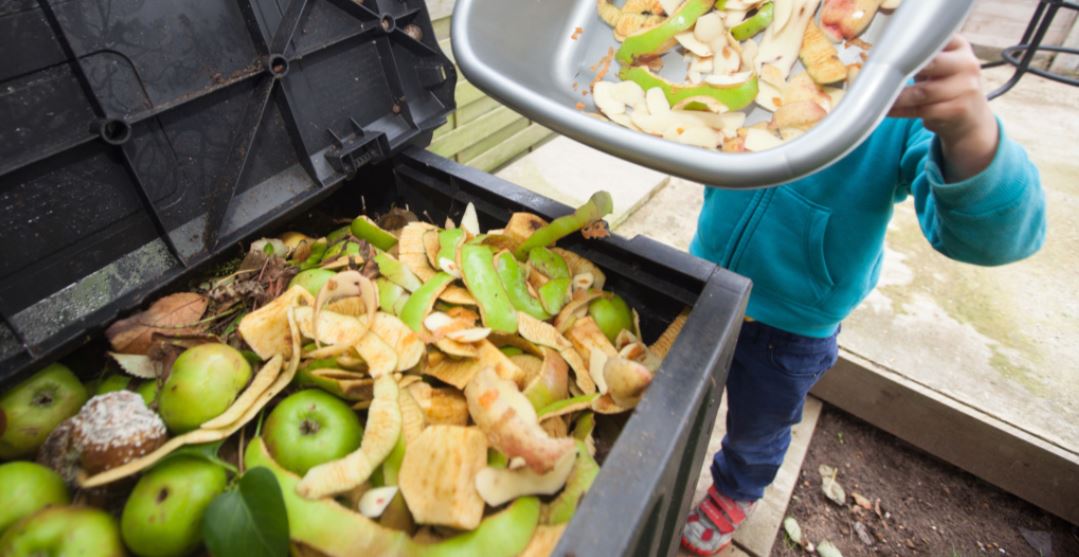
- Source separation + composting: quickest on-ramp, builds participation habits and soil value.
- Co-digestion / anaerobic digestion: captures methane as energy; needs careful feedstock management.
- Hybrid systems: pre-processing + digestion + compost finishing, tuned to local markets and permits.
What usually breaks in practice
- Contamination: plastic, “compostable” packaging confusion, mixed loads.
- Routing gaps: the nearest permitted facility is too far / too expensive / capacity-limited.
- Behavior change: bins and signage exist, but staff turnover and enforcement aren’t designed.
- Procurement mismatch: the county wants composting, but contracts still incentivize landfill routing.
Municipal playbook (compliance → capacity)
This is a practical, “boringly implementable” sequence municipalities can use to turn diversion requirements into systems capacity.
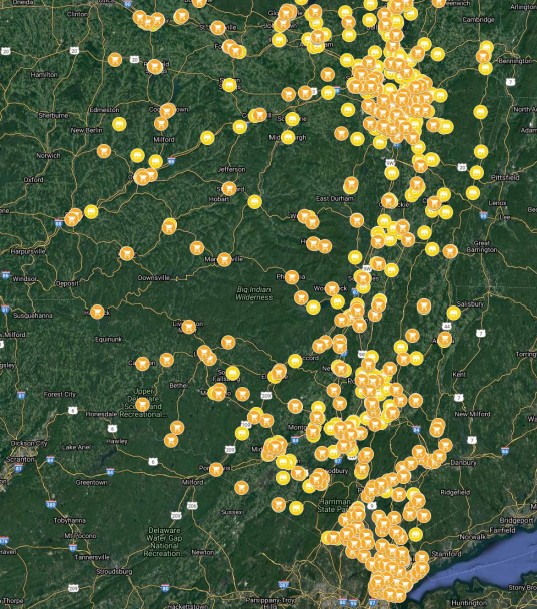
- Map generators: identify large generators and their current hauling routes (and pain points).
- Pick a pilot wedge: one stream, one route, one operator, one contamination strategy.
- Design the human layer: bins, signage, training, and the “what happens when it goes wrong” protocol.
- Align contracts: ensure procurement and hauling incentives don’t fight the program’s goals.
- Define metrics: tons diverted, contamination rate, miles hauled, cost per ton, and local soil value created.
- Use results to scale: replicate to the next generator cluster (schools → institutions → commercial).
Pilot checklist (what to submit)
If you submit a candidate pilot to HVB, include as many of these as you can. Partial info is okay—clarity is the goal.
- Generator(s): who, where, estimated tonnage, and whether staff are already aligned.
- Collection plan: bins, pickup frequency, who trains staff, and contamination controls.
- Routing plan: target facility/operator, distance, capacity constraints.
- Offtake: compost or digestate markets, local land restoration opportunities, municipal uses.
- Community/EJ posture: neighbors, known concerns, monitoring commitments (especially for odor/traffic).
- Decision window: contract renewal dates, budget cycle, permitting milestones, or grant timelines.
Use this policy in a pilot package
What this policy rewards
- Measured landfill diversion and contamination control that proves the law's compliance metrics are meaningful.
- Operational reliability and repeatable routing that keep the organics stream consistent and budgeted.
- Cross-sector partnerships (municipality, hauler, operator) that yield procurement-ready commitments.
Pilot narrative snippet
Tell the story of a diversion stream redesigned for compliance: clean collection, trusted operators, and monitoring that keeps contamination levels low. Pair that with localized soil-value framing so reviewers understand the pilot's circular benefits.
Evidence to pair with this
- Data & maps hub - cite the tonnage, diversion, and routing data that feed the compliance narrative.
- Dutchess County biosolids brief - use a county snapshot to show what a clean diversion package looks like.