What's changing
State EJ screening (CP-29/CP-42) and community accountability measures now require every proposal to name impacts, benefits, and monitoring before a permit is even considered.

EJ concerns now guide siting and piloting; HVB builds transparency, engagement, and accountability into every proposal.
Environmental justice (EJ) is not a "section" to bolt onto a proposal. It's a design constraint that shapes siting, permitting, monitoring, trust, and who benefits first.
State EJ screening (CP-29/CP-42) and community accountability measures now require every proposal to name impacts, benefits, and monitoring before a permit is even considered.
Hudson Valley communities include sensitive receptors, frontline neighborhoods, and public waters, so building trust before a scope is fixed cuts delays and keeps HVB aligned with shared goals.
Potential Environmental Justice Areas (NYSDEC CP-29) across the counties HVB works in. We surface these near every proposal so siting stays inclusive — open the full map to explore the overlays and proposal sites.
HVB’s purpose is to accelerate circular systems—without exporting burdens to communities that already carry more than their share. That means we design for: health, transparency, accountability, and shared benefit.
We show EJ regions near every proposal so everyone sees the screening layers, jobs, and engagement requirements that inform siting. That overlay is part of the systems methodology, which combines mapping layers, matrix scoring, and the 25-50 mile coverage logic to keep planning inclusive.
Before you fall in love with a site, do a quick EJ screening and treat the results as design inputs:
A community trips the state screening flag when it clears both thresholds at once — the bar differs for urban and rural areas:
Meeting both thresholds flags a Potential Environmental Justice Area under NYSDEC CP-29, triggering enhanced public participation before a permit moves.
Permitting isn’t just “forms.” It’s the public’s opportunity to decide whether they trust you. The fastest way to lose that trust is to show up late, minimize concerns, or treat monitoring as optional.
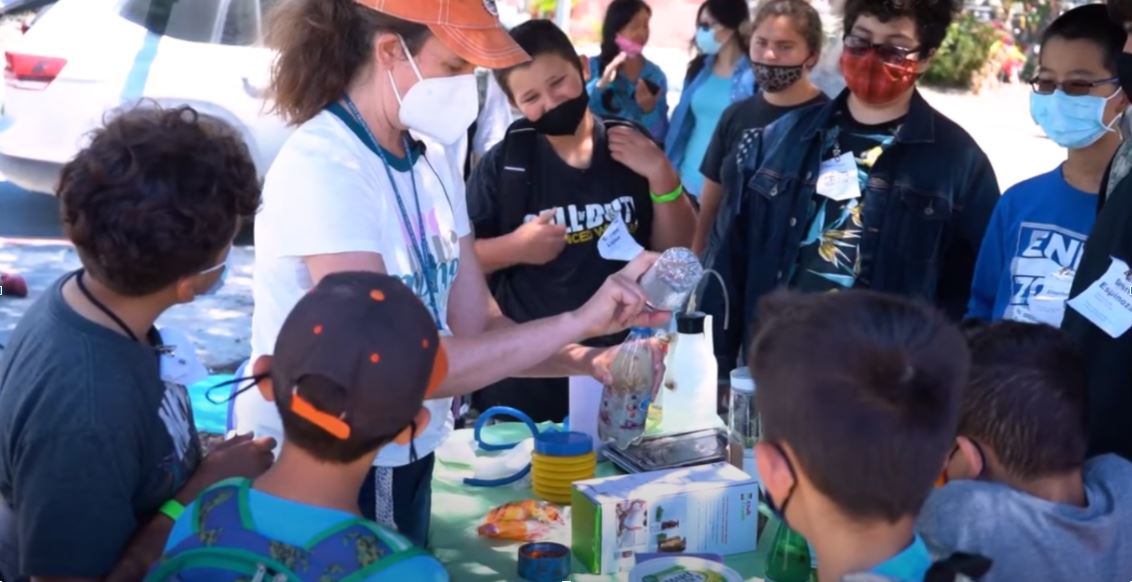
Not every project can offer everything. But every project can offer clarity, accountability, and shared upside. Examples of credible benefits:
If you submit a pilot candidate, this is the EJ information that helps us design responsibly and move faster later.
The primary-source guidance behind this brief — open any one to cite it directly.
Describe how this pilot embeds EJ screening, local partners, and public reporting so the community knows who benefits and how risks are managed. That narrative keeps regulators confident while residents see the value.


