Data & maps · Feedstocks report

Invasive species (biomass feedstocks)

Managing invasive biomass and maintenance waste is costly; HVB turns those streams into pilot-worthy energy and soil value.

Harvested invasive plants offer a way to pay for removal while keeping harmful biomass out of disposal pathways. See the Feedstocks report for guidance on packaging anaerobic digestion as a management alternative.

Invasive species Feedstocks Anaerobic digestion
Invasive water chestnut on a Hudson Valley waterway

What's changing

Funding for invasive biomass removal now rewards turning harvested plants into digestate or soil products, so removal teams must tie their work into energy and soil value.

Why it matters here

Hudson Valley waterways choke on water chestnut, hydrilla, and phragmites; converting that biomass protects recreation, water quality, and shoreline maintenance budgets.

How HVB responds

  • Map invasive hotspots and seasonal tonnage so removal partners can plan reliable supply.
  • Pilot digesters tuned for dense aquatic biomass with dewatering and debris-handling plans.
  • Pair removal crews with municipalities and restoration partners so tonnage keeps moving and revenue is shared.

Related links

Invasive biomass streams

Hudson Valley waterways are dominated by water chestnut, hydrilla, and phragmites. Each species requires a different harvest rhythm but can feed anaerobic digestion when staged intentionally.

Invasive aquatic plants and maintenance waste increase dredging, hauling, and disposal budgets while clogging recreational access and shoreline resilience.

  • Dense mats of biomass trigger more frequent removal windows, driving up labor and disposal costs.
  • Disposal still leans on landfills or long hauls to distant digesters, which increases emissions and risk.
  • Waterway closures, lost recreation, and stressed shoreline habitats compound the community burden.
Key takeaway: Treat invasive biomass as a resource; turning it into energy or soil products shrinks disposal expenses and frees funding for restoration.

Water chestnut

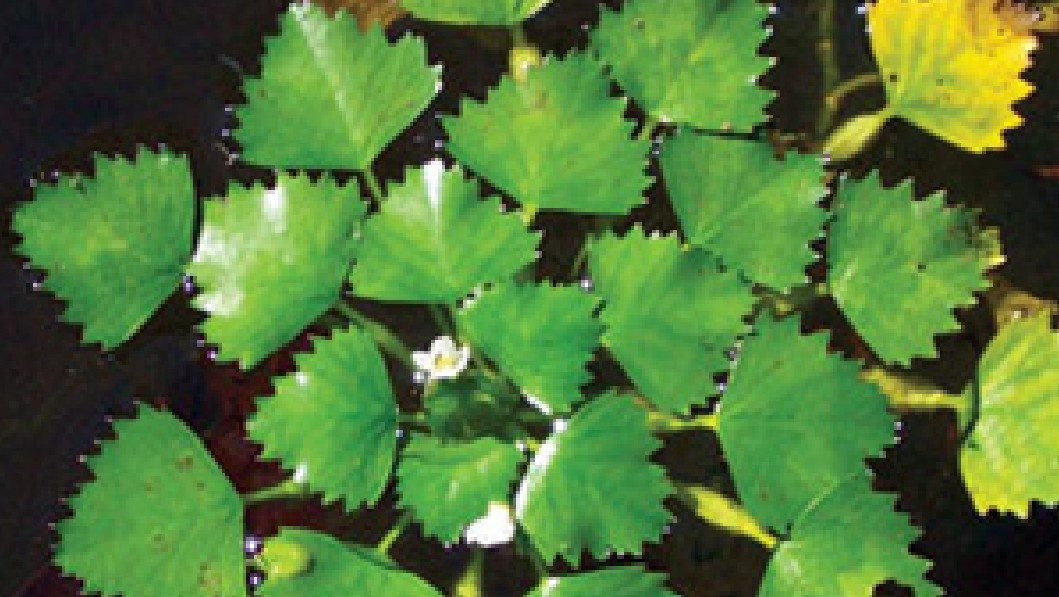
Dense mats of water chestnut on a wetland surface.
Image credit: New York State Department of Environmental Conservation

Floating rosettes form impenetrable mats that shade vegetation, deplete oxygen, and turn access points into hazard zones.

  • The thick mats dry predictably once dewatered, giving AD systems consistent mass loading.
  • Harvests yield nutrient-rich biomass that settles well and carries measurable energy density.
  • Coordinate removal windows with monitoring so dense seed banks do not reinfest cleared zones.

Hydrilla

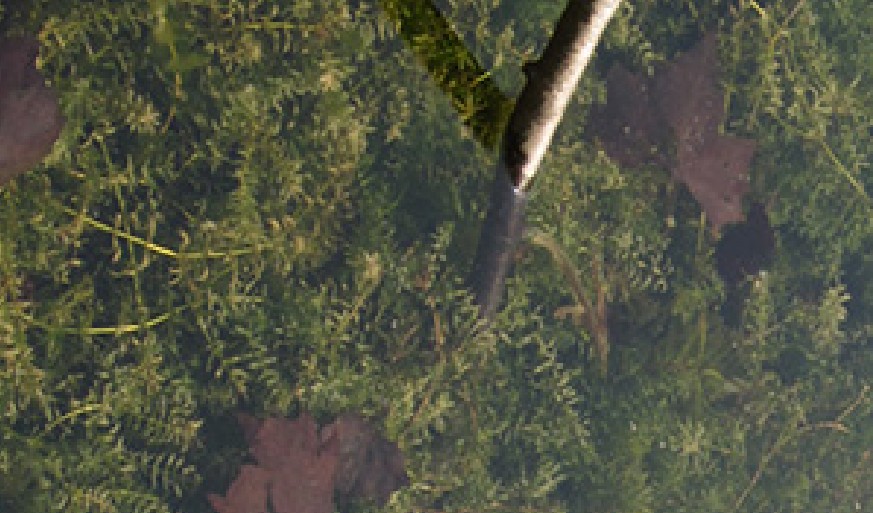
Submerged hydrilla clumps beneath clear water.
Image credit: New York State Department of Environmental Conservation

Hydrilla colonizes lake beds, creating dense canopies that choke light, clog intakes, and shift oxygen regimes.

  • Submerged biomass dries quickly once winched ashore and supports steady loading when mixed with woody feedstocks.
  • Its high energy density is a good match for digesters once moisture and herbicide residues are managed.
  • Treatments often involve herbicides or barriers, so coordinate AD plans with herbicide withdrawal windows.

Common reed (Phragmites australis)

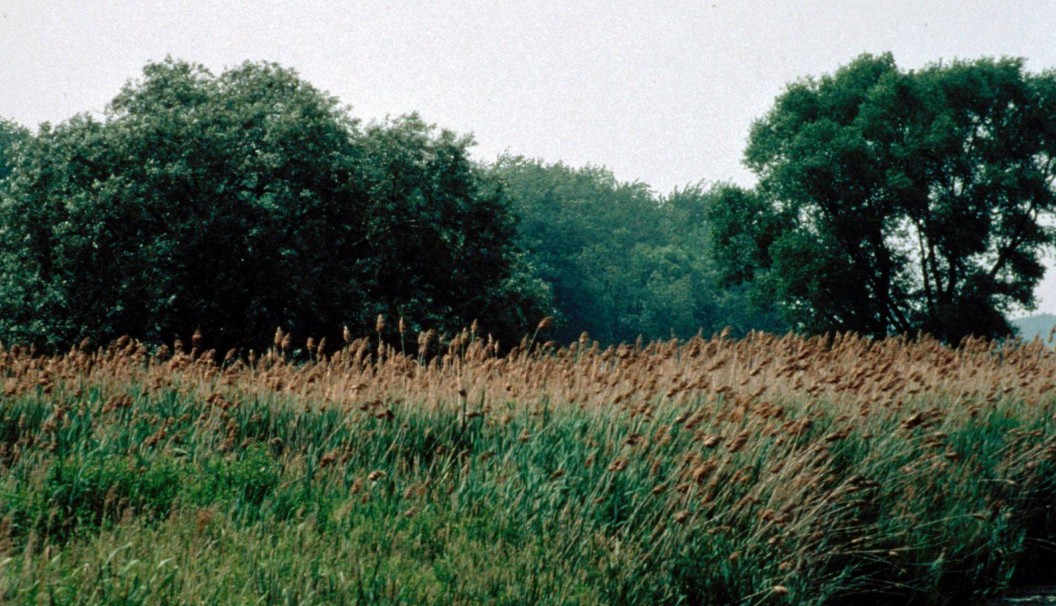
Tall phragmites stalks across a wetland edge.
Image credit: Cornell University & partners

Mature phragmites stands spread quickly, alter hydrology, and increase fire risk while displacing wetland biodiversity.

  • Mechanical cutting recovers tall biomass with high dry matter content, ideal for lignocellulosic digesters.
  • Stalks need careful blending to avoid high silica wear on grinders.
  • Distinguish invasive from native genotypes in permits to keep compliance clear.
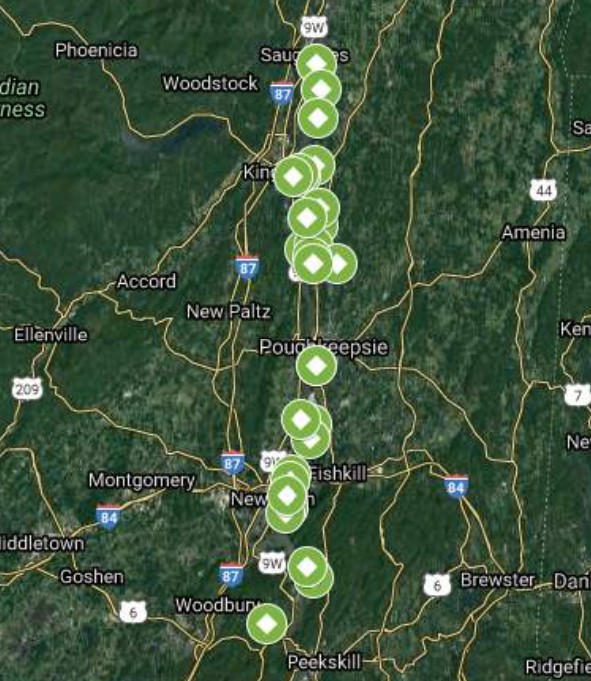
Water chestnut hotspots along the Hudson Valley
Interactive atlas layer pairing invasive biomass data with infrastructure.

Interactive feedstocks map

Navigate the atlas to layer invasive biomass, biosolids, and municipal organics flows with infrastructure so partner-ready corridors and pilot logistics are visible together.

  • Zoom into invasive hotspots, hydrology, and digester corridors simultaneously.
  • Layer municipal boundaries, rail/route access, and operator footprints for piloting.
  • Use the atlas as prep work for proposals and land-use meetings.

Siting + safety considerations

Removal sites sit near wetlands, sensitive habitats, and neighborhoods, so transparent siting, traffic management, and monitoring keep communities comfortable.

Permitting & safeguards

DEC permits or authorizations may apply to removal, harvest, or staging inside regulated waters; consult the DEC invasive species general permit before mobilizing.

  • Map sensitive receptors, trails, and cultural resources before parking, staging, or processing biomass.
  • Plan odor control, truck timing, and real-time monitoring so community feedback stays positive.
  • Coordinate with DEC (or USACE/Army Corps where relevant) and align EJ expectations from the start.

Pilot pathways

HVB pilots pair removal crews with digesters and offtake so invasive biomass generates measurable climate and community outcomes.

  • Quantify harvest volumes, seasonal availability, and contamination risks for each species in priority watersheds.
  • Detail wet vs. dry logistics plus dewatering so biomass arrives stable and ready.
  • Design pretreatment and digester pairings that respect capacity, moisture, and grinder wear.
  • Bundle permits, municipalities, and partners so compliance, community, and finance stay aligned.

Related links