
Feedstocks assessment
A county-by-county map of Hudson Valley organics flows, tonnages, and reuse levers. Use it to align municipal sponsors, waste haulers, and project teams around how much material exists, where it can go, and how a pilot bridges the gap.
We lead with outcomes and constraints (not equipment marketing): siting, permitting, feedstock contracts, community trust, and the funding path to build.
Organics flows mapped for pilots
This PDF aggregates municipal waste tallies, wastewater solids, and food hub collections so you can speak confidently about the volumes anyone can touch. Use it to surface the tonnages and routes that belong in a grant-ready bundle.
Each graphic, table, and note is built for municipal sponsors, feeding partners, and pilot engineers who need credible data fast. The carry-forward language allows your coalition to stay consistent with HVB’s flow modeling.
Key takeaways
- Organics flows are already captured by municipalities, WWTPs, and haulers—this report distills them into reuse-ready categories.
- Biosolids and organic residuals are mapped alongside logistics corridors so pilots can start with a realistic route plan.
- Copy-ready tables and notes allow teams to drop numbers directly into pitch decks, site evaluations, and partner agreements.
Feedstocks assessment
Regional resource potential and system context for organics-to-value solutions.
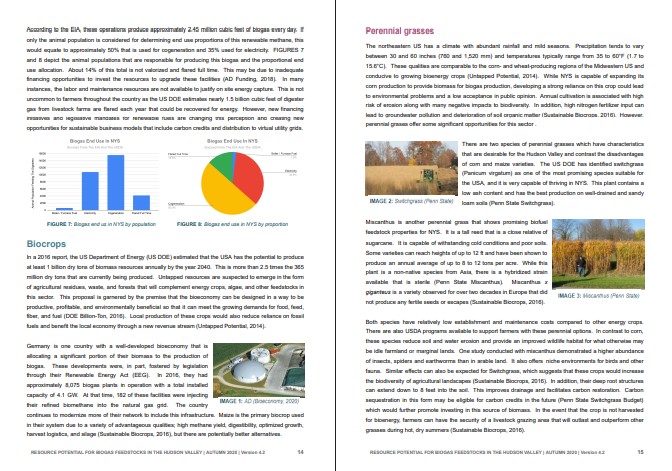
This two-page spread is the proof artifact from the home page card; it surfaces the county-by-county map, tonnage matrix, and reuse levers that drive the report narrative.
Keep it handy when introducing the report in proposals, stakeholder meetings, or grant write-ups so everyone can see the flows you are describing.
Biosolids (2015 WWTP snapshot)
The same 2015 WWTP biosolids figure is part of this report's base dataset; visit the Data & maps hub to see the chart and narrative without re-embedding every visual here.
Turn removal into reuse
The Feedstocks report introduces anaerobic digestion as a potential pathway for managing invasive aquatic and wetland plants; the invasive species brief expands on how those harvests can feed AD pilots.
Recommendations & next steps
The feedstocks assessment surfaces the tonnage, routes, and reuse levers that now feed implementation recommendations. This section captures how measurement, planning, compost, policy, and land-use teams can act on the data without repeating the full list here.
Think of it as the playbook that turns this report into measurable actions, linking the data to policy enablers, funding paths, and biocrop siting guidance so pilots can move faster.
Ready to use this data? Book a fit call and we'll match your pilot idea to the right partners and grant-ready assets.